Event alongside the Sustainable Finance Summit
AI &
Sustainable Finance
From Research to Impact

Event alongside the Sustainable Finance Summit
AI &
Sustainable Finance
From Research to Impact
This event was part of Montréal’s Sustainable Finance Week, held alongside the Sustainable Finance Summit.
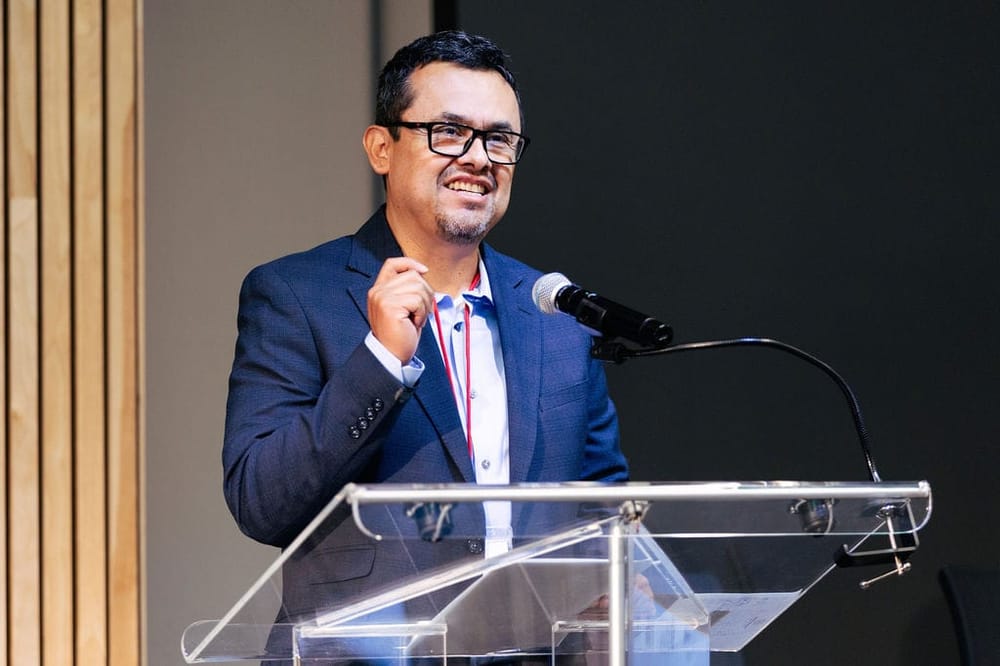
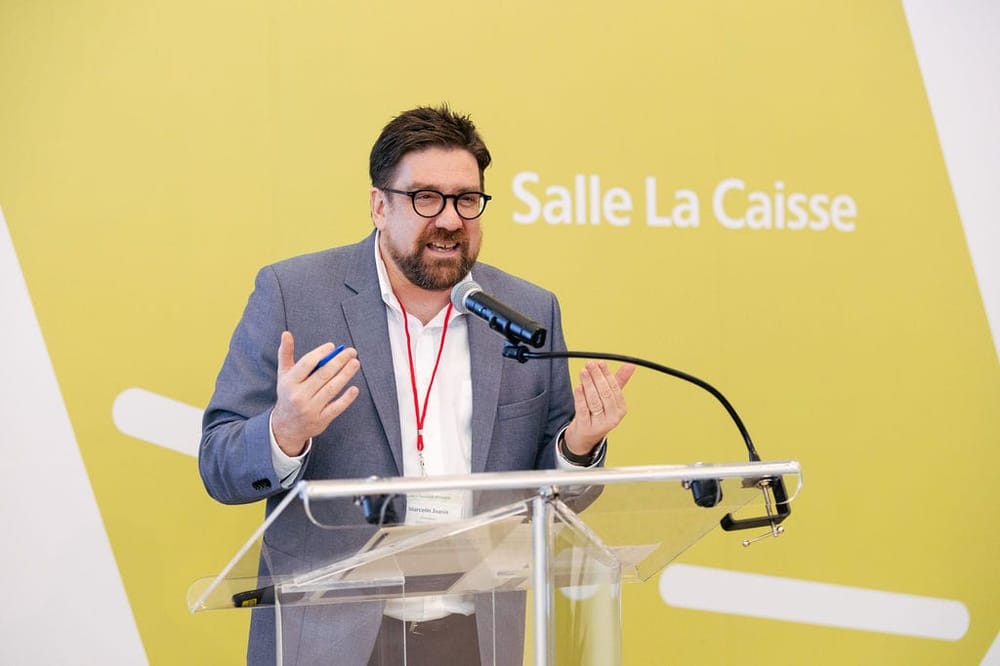
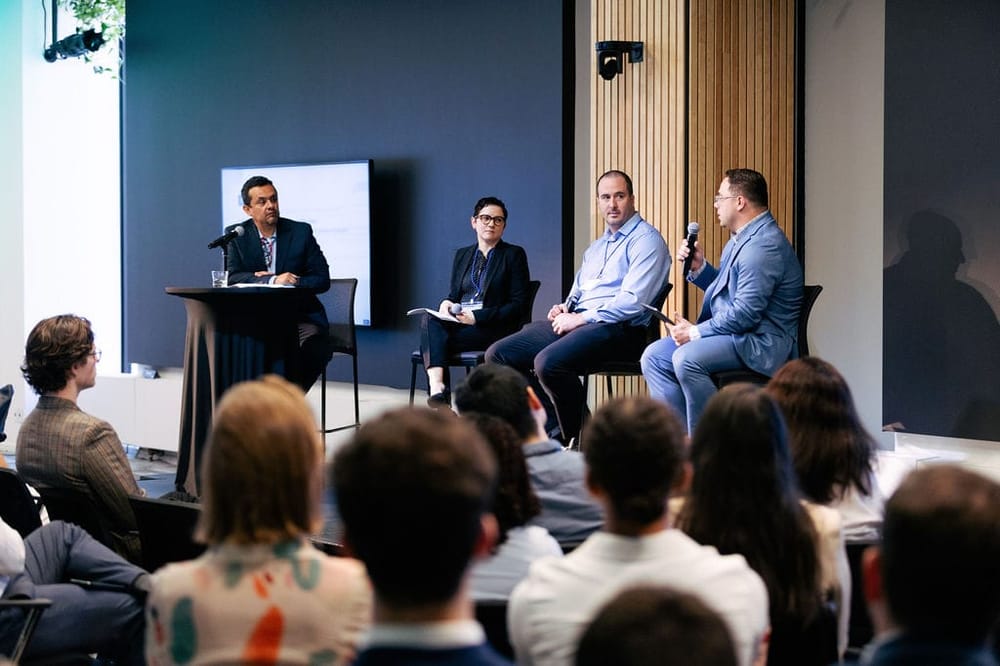
A look back
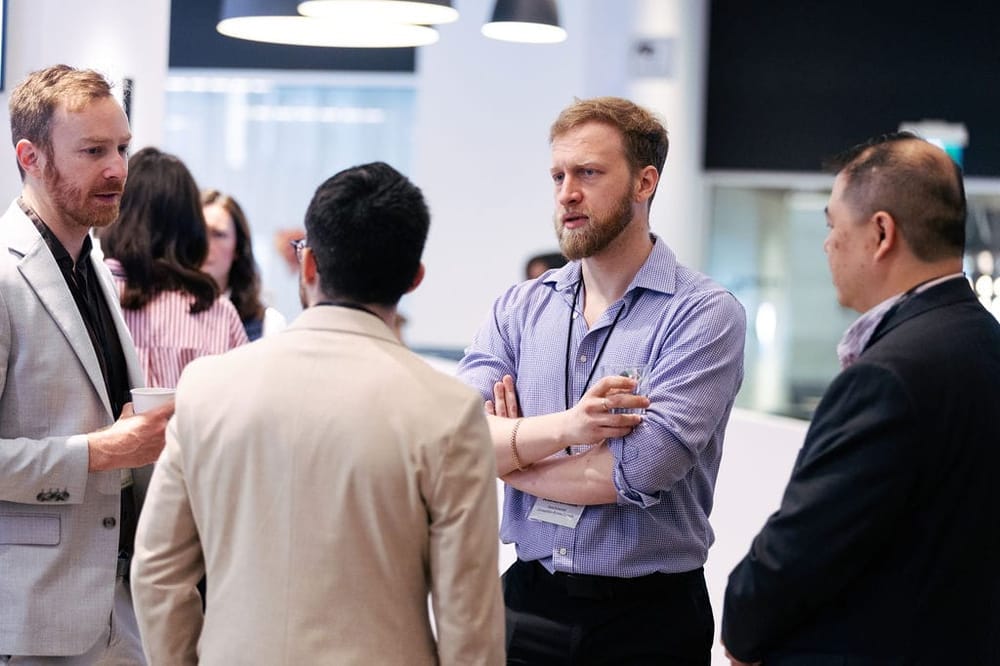
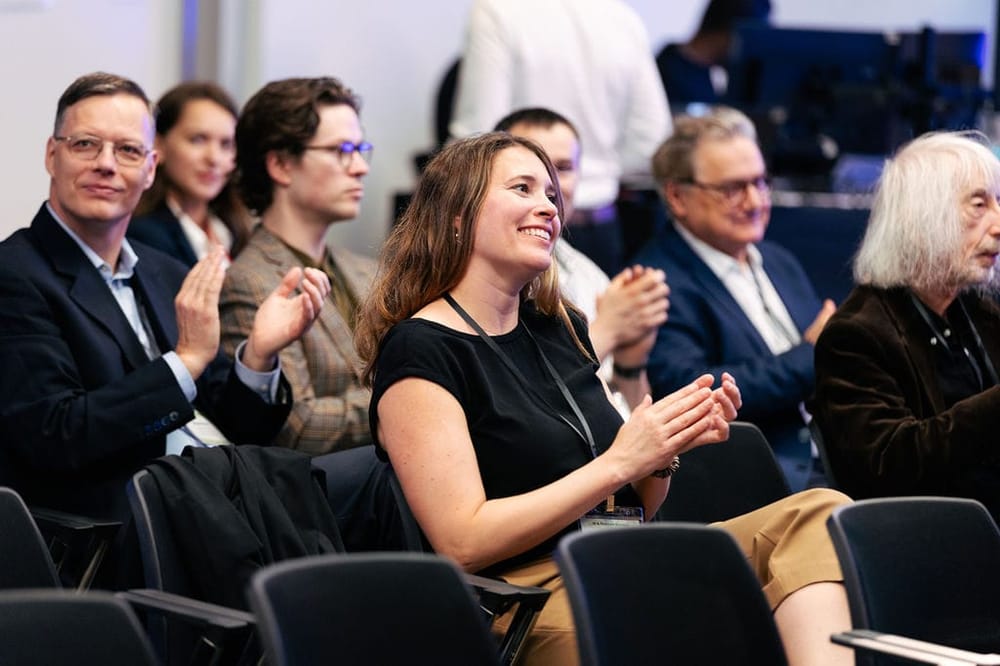
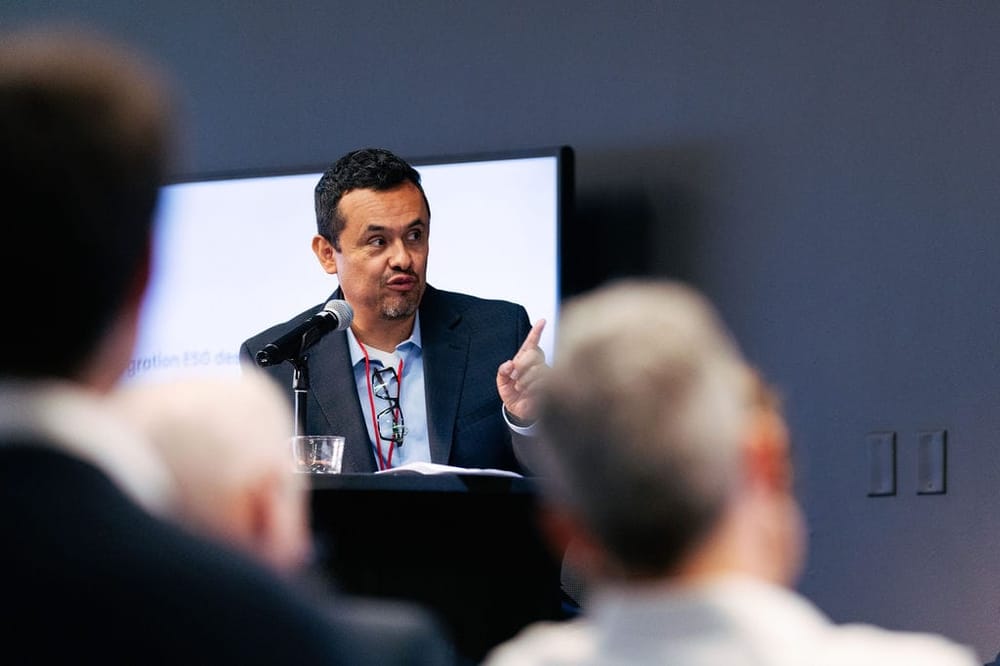
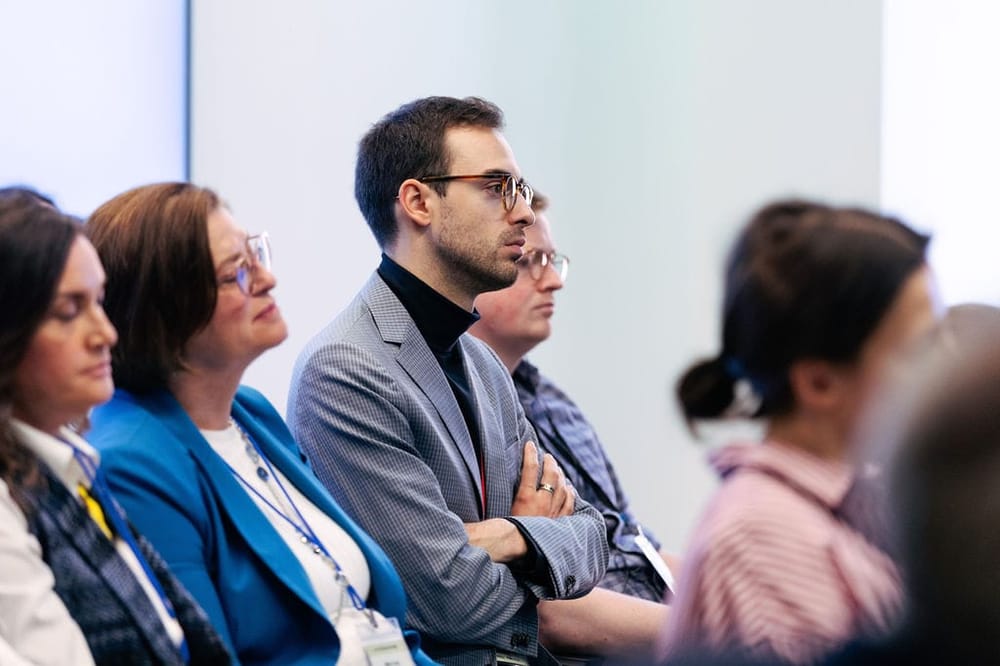
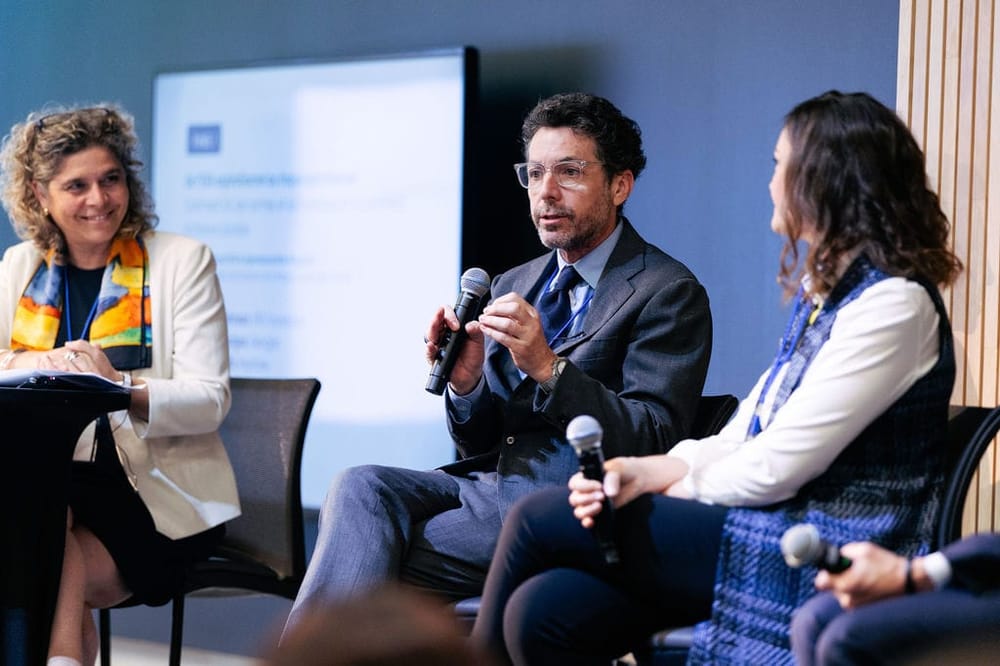
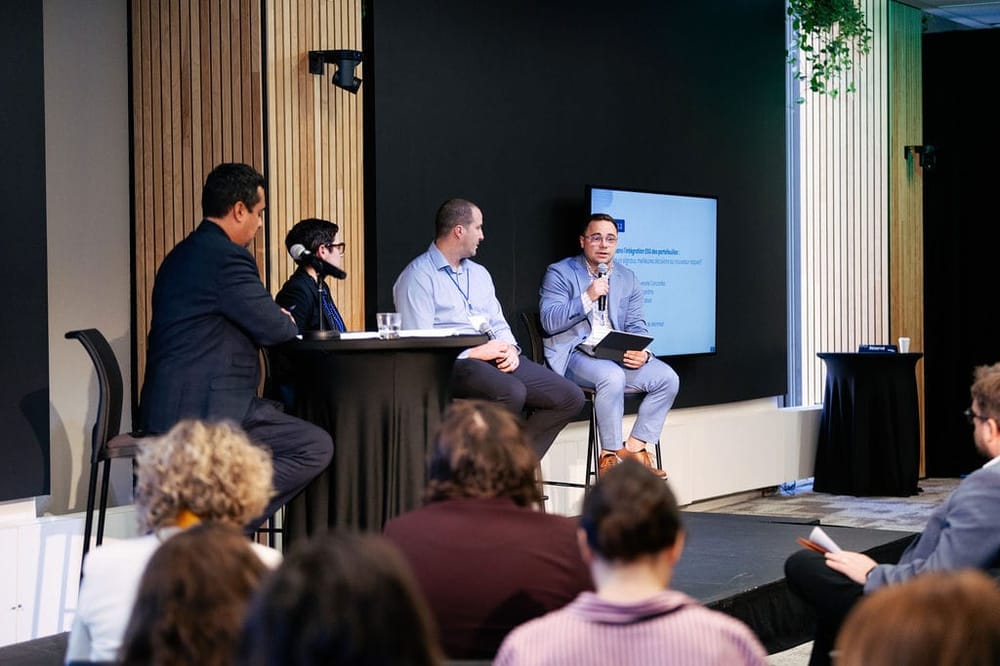
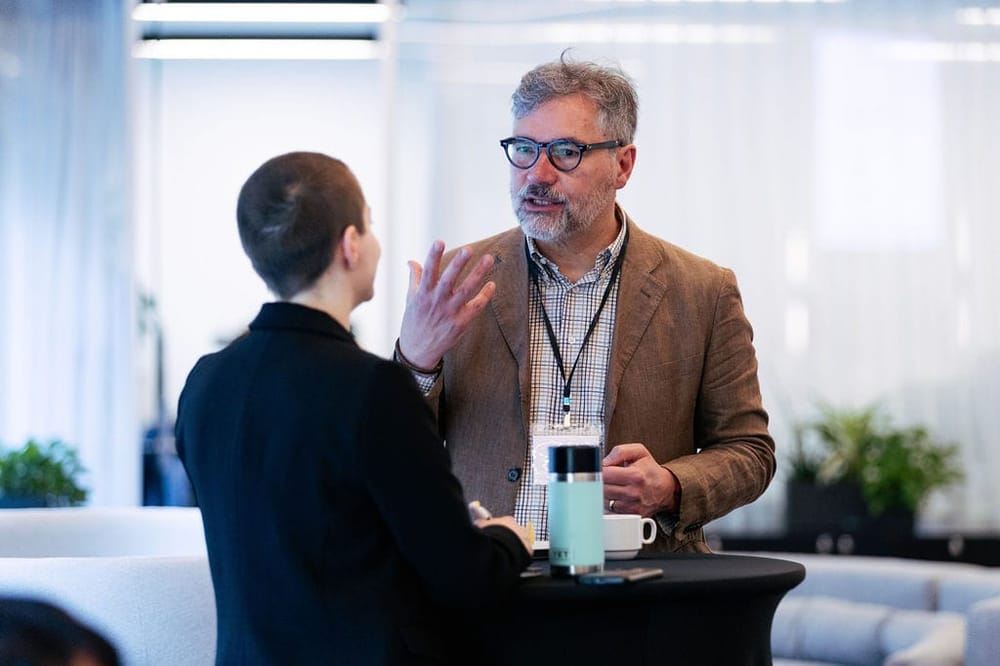
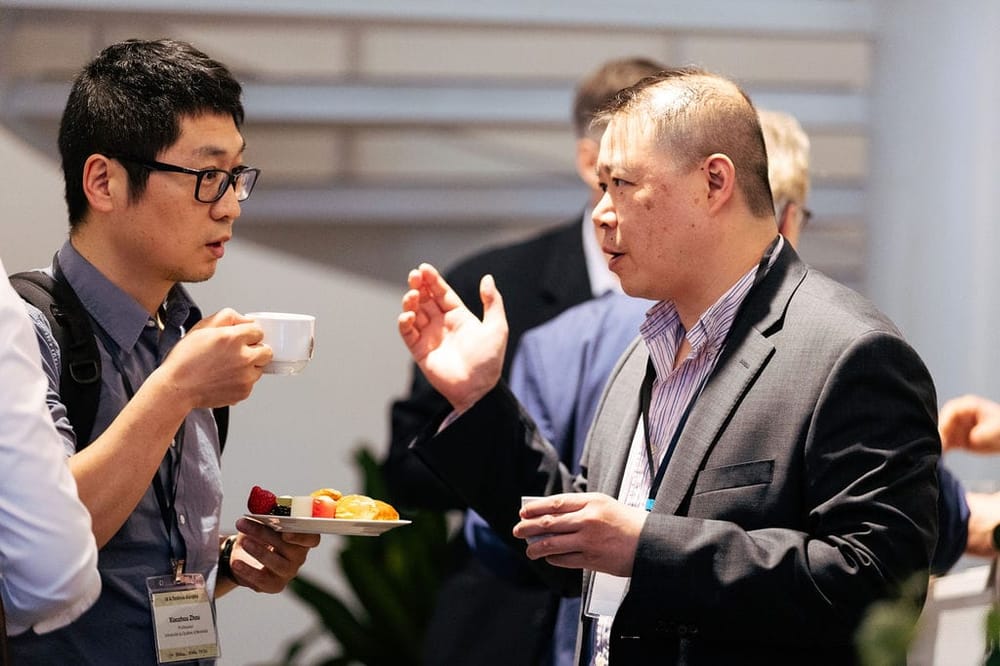
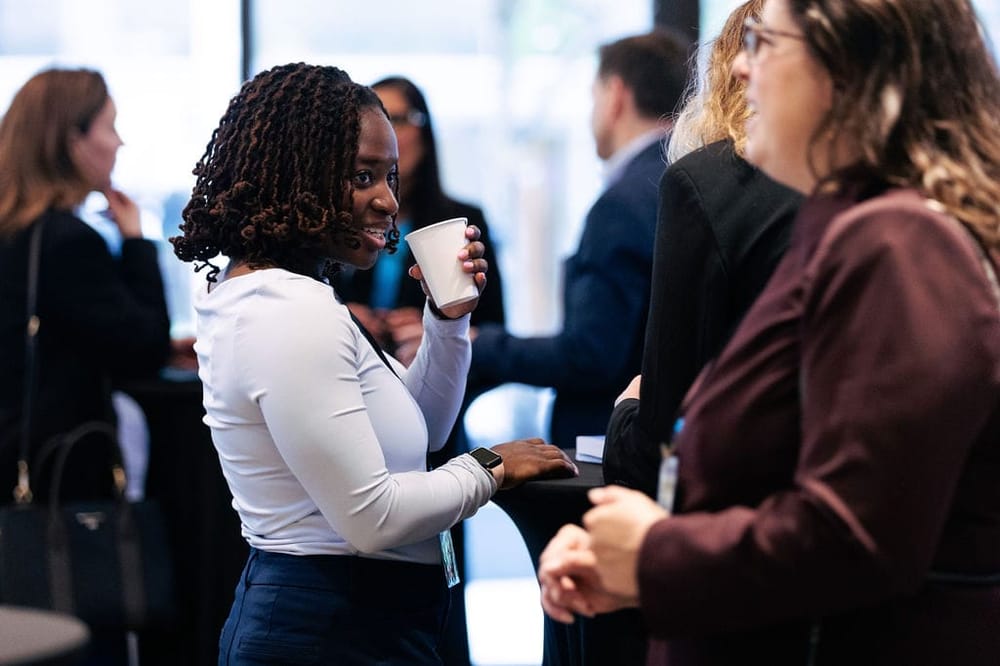
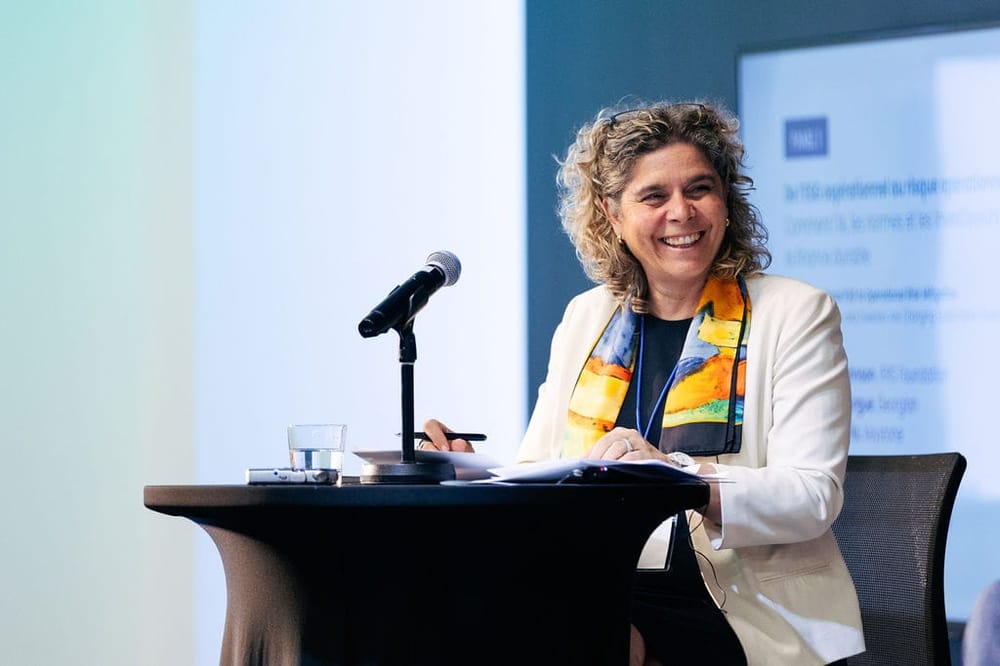
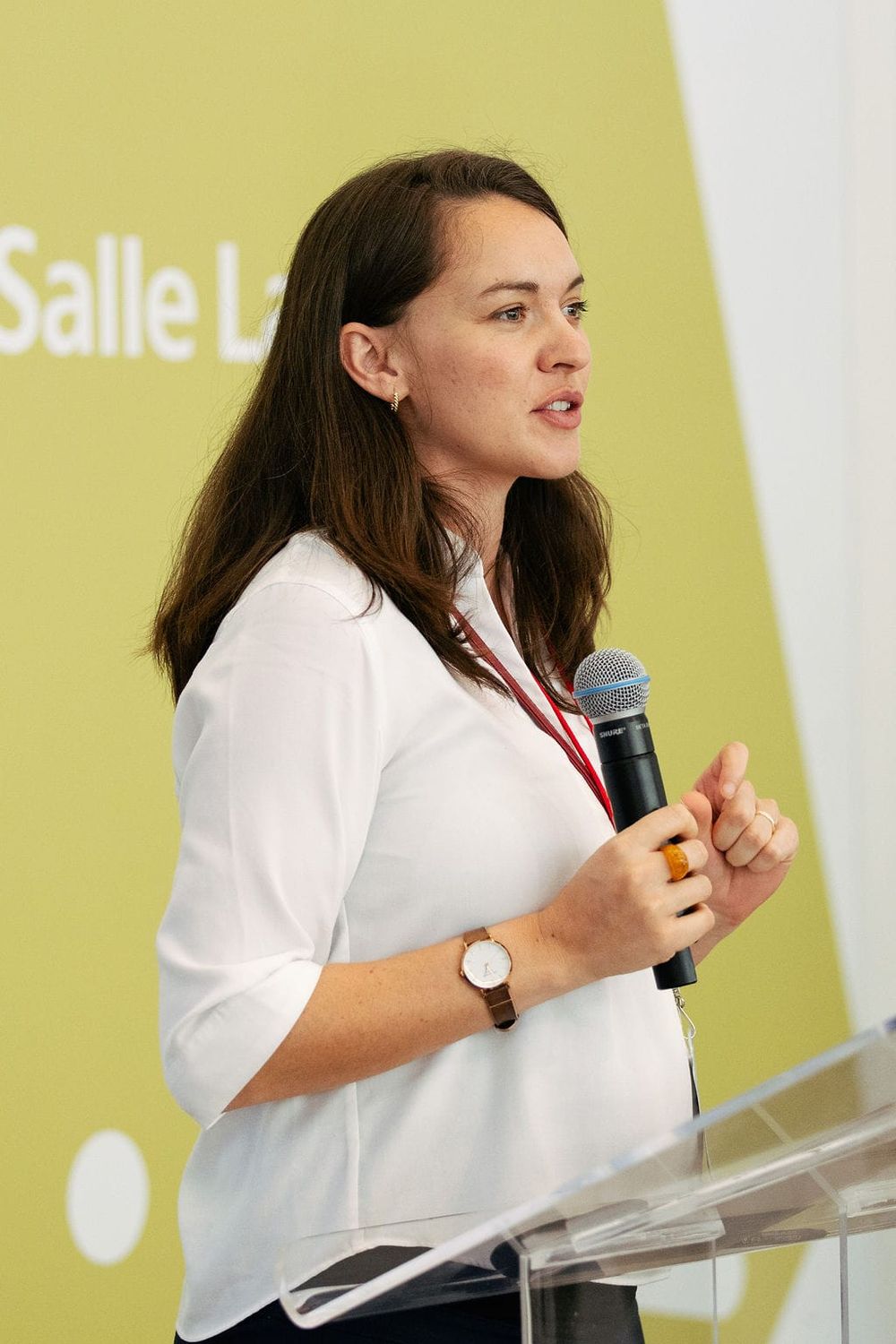
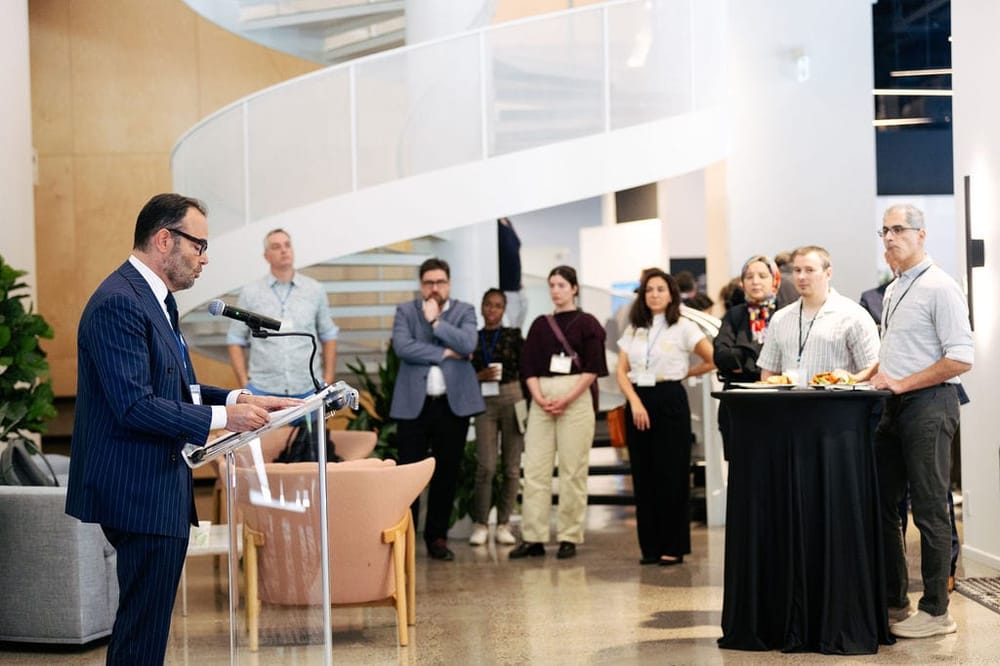
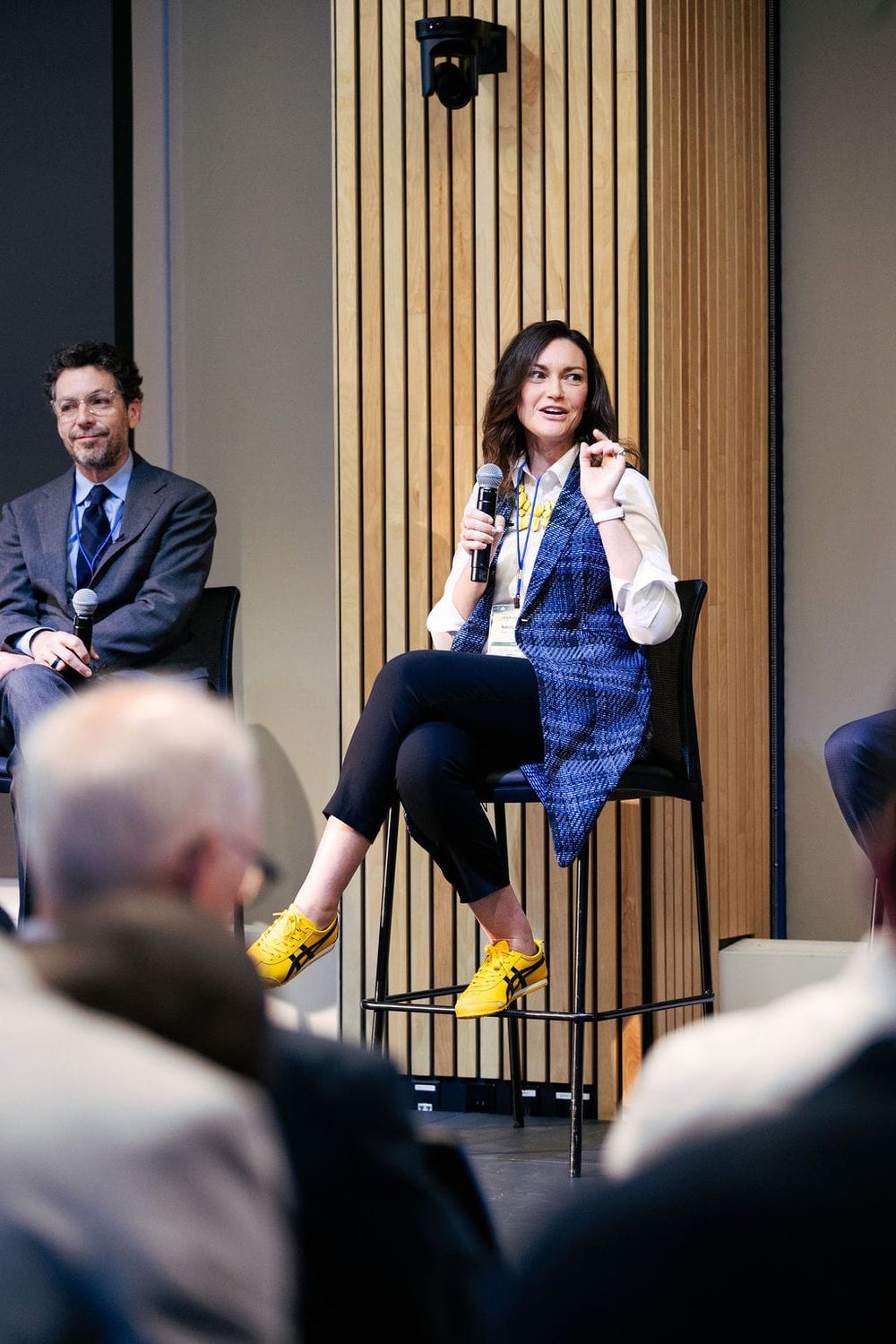
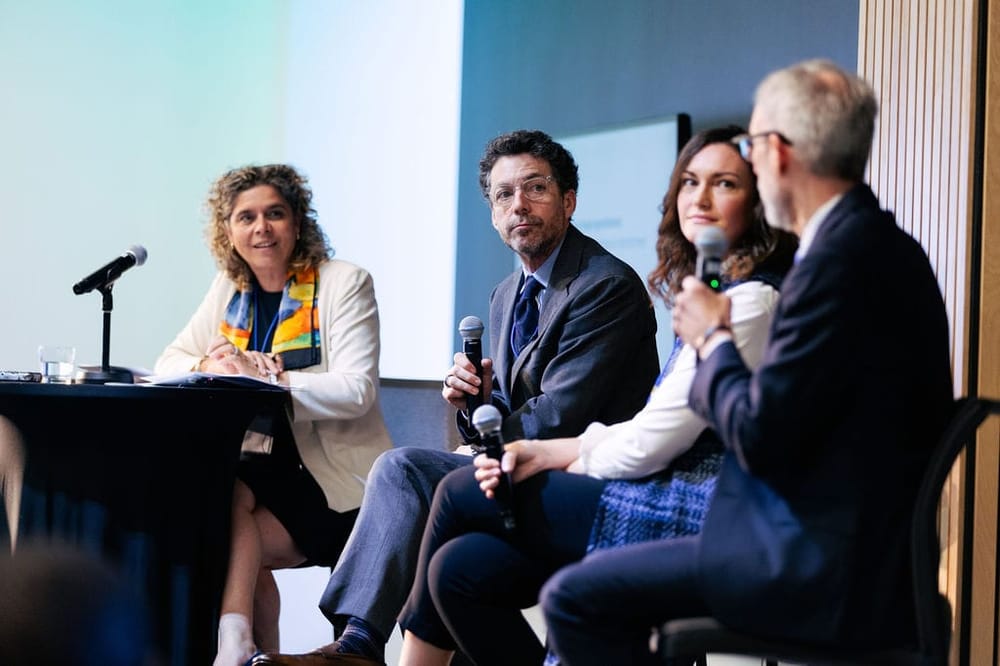
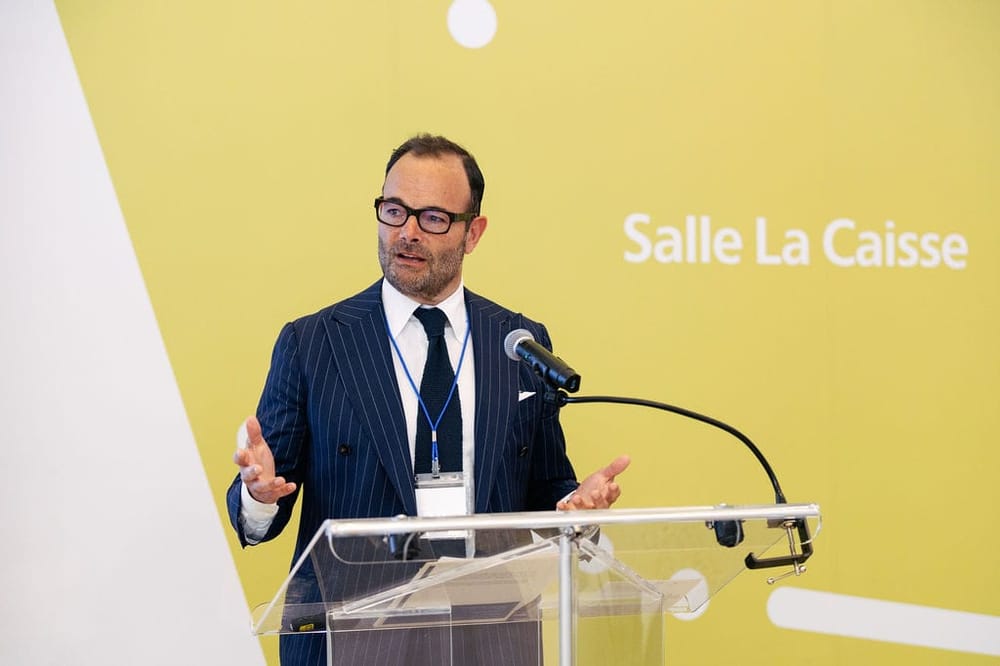
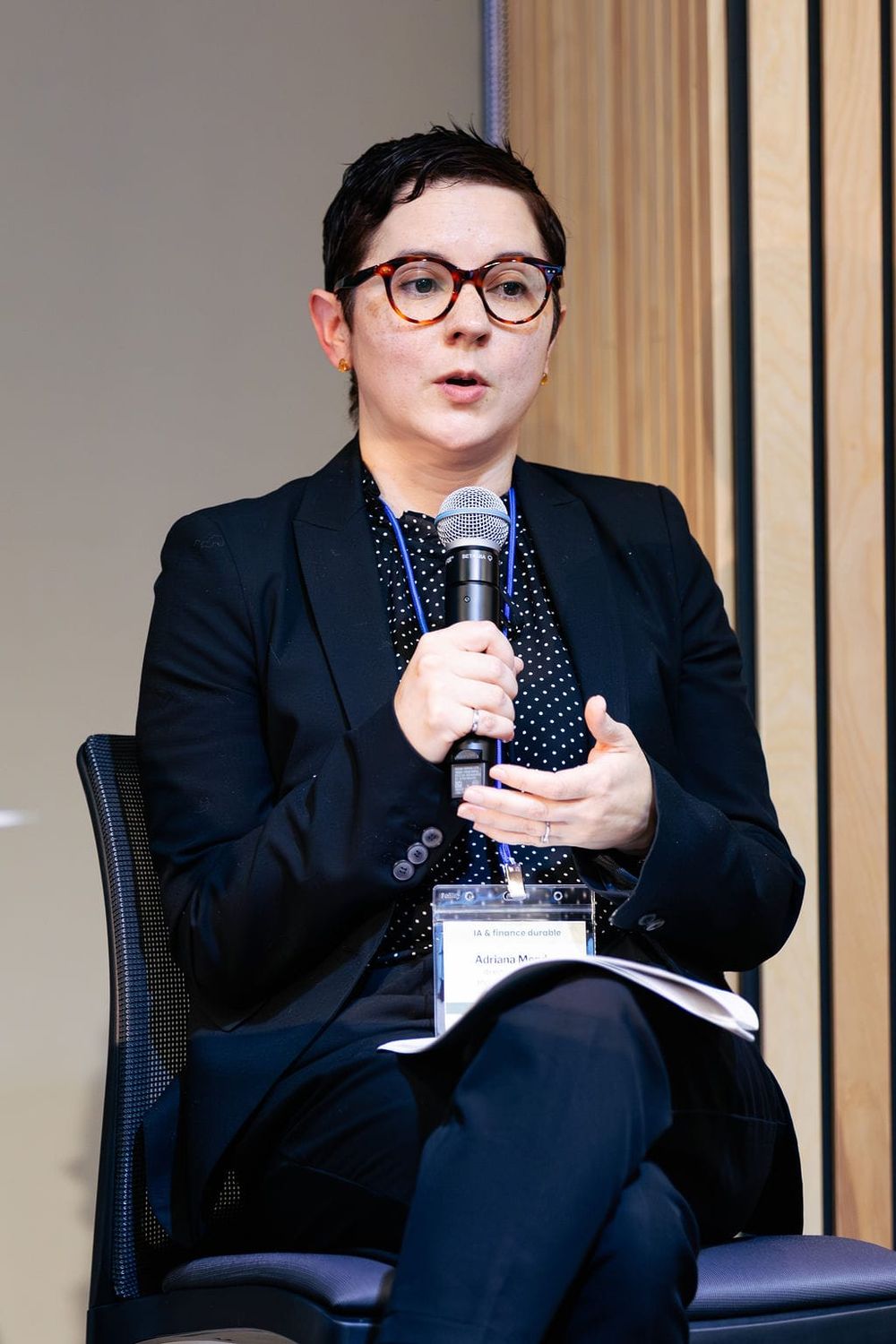
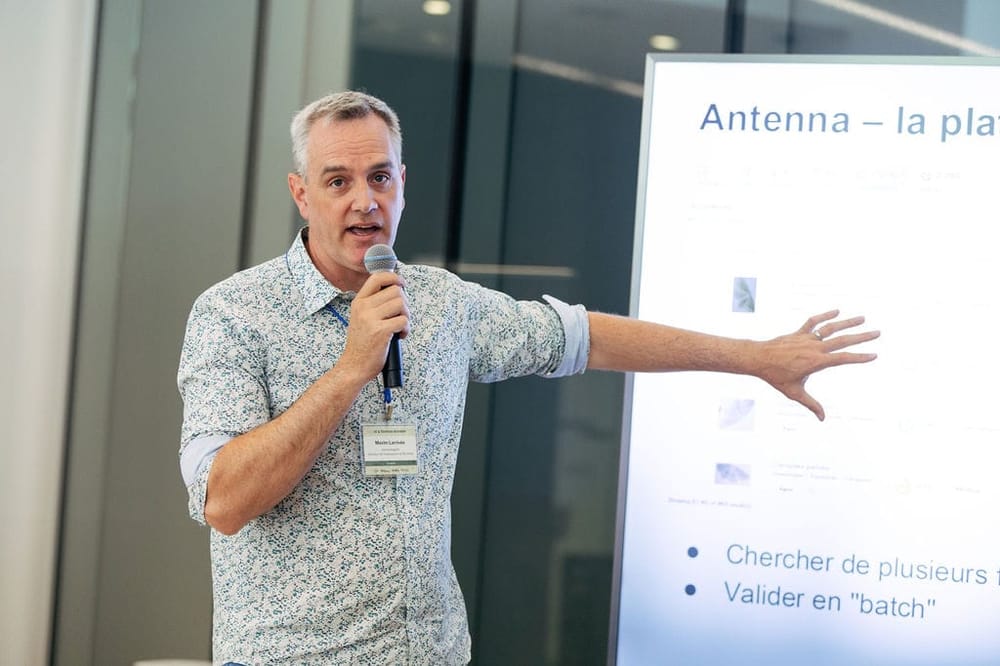
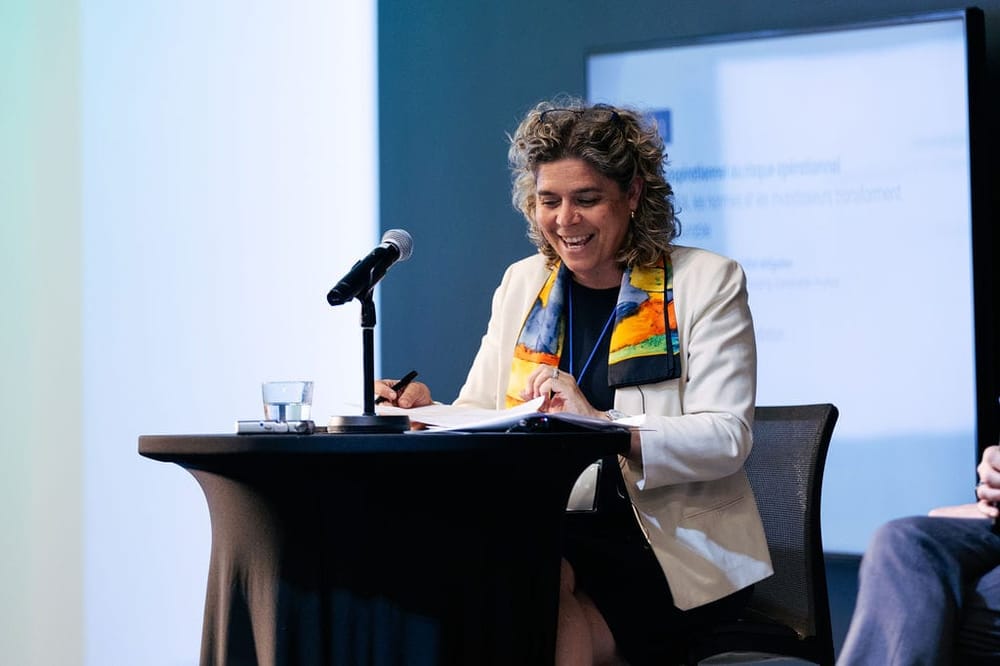
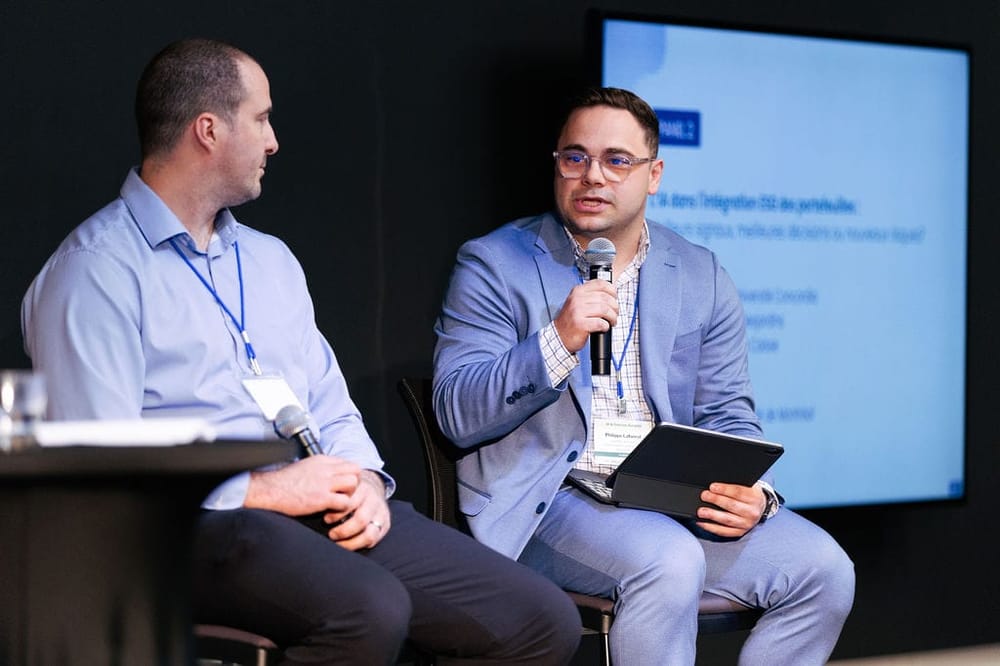
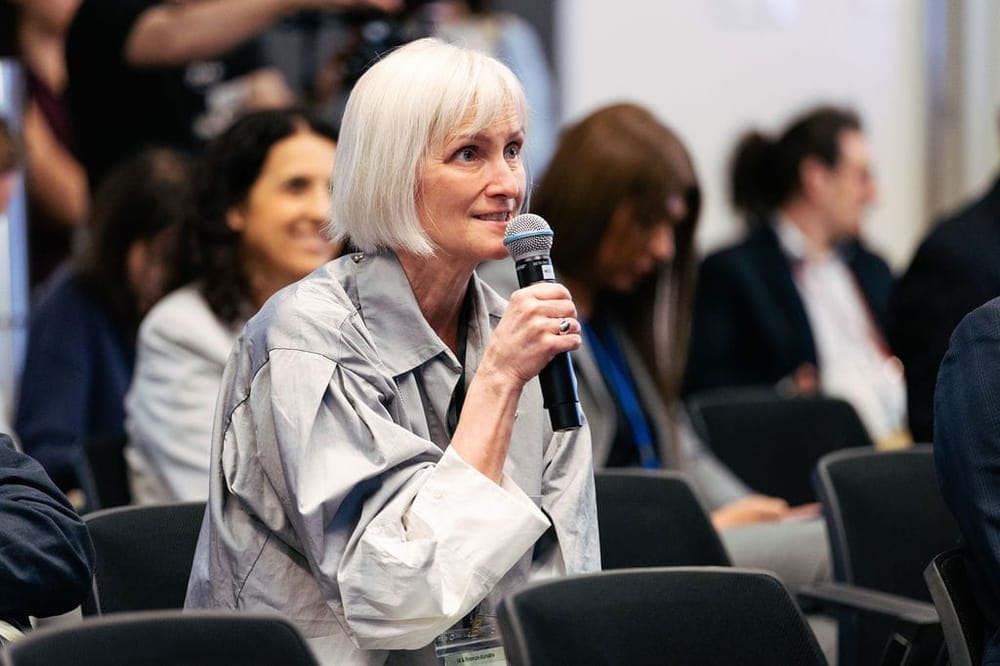
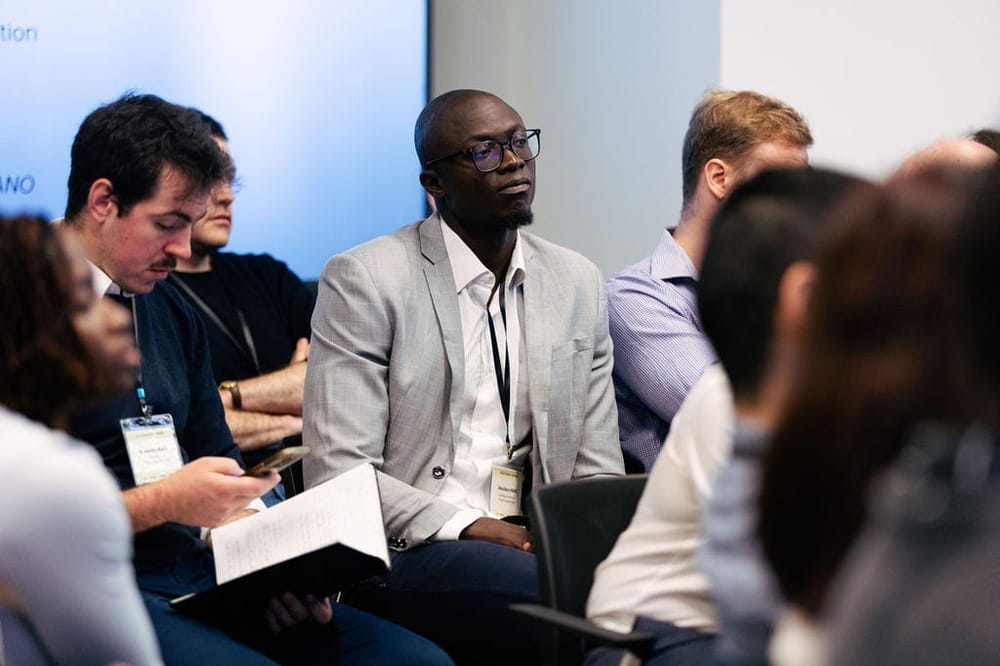
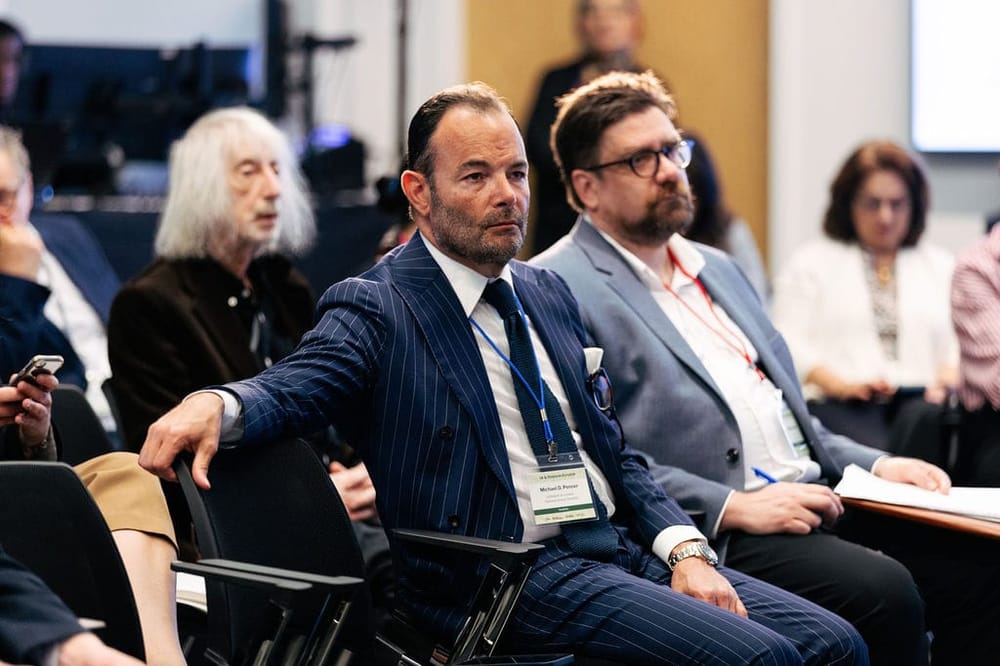
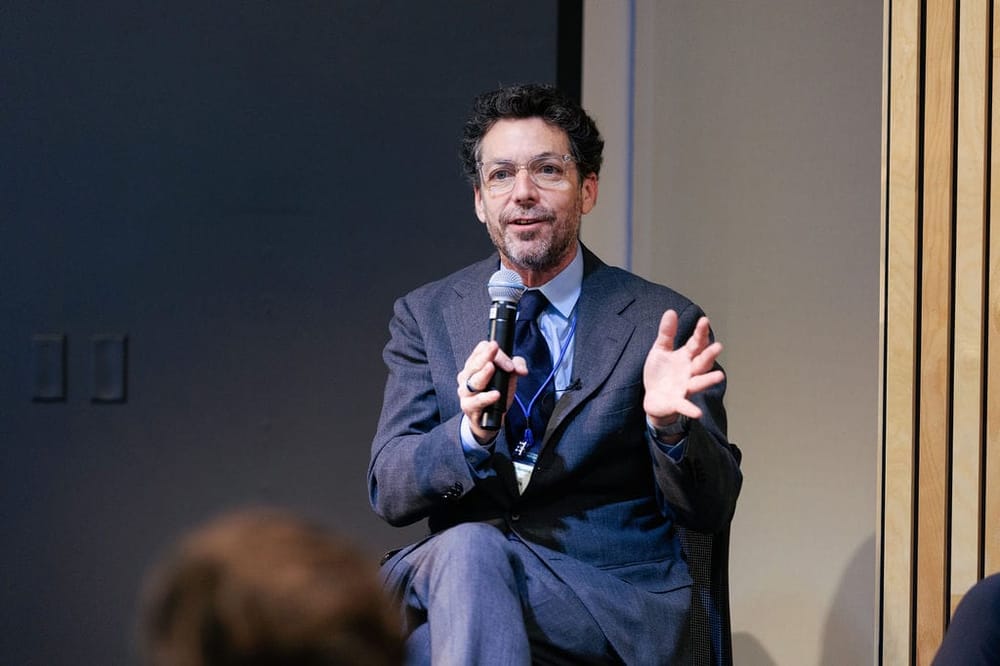
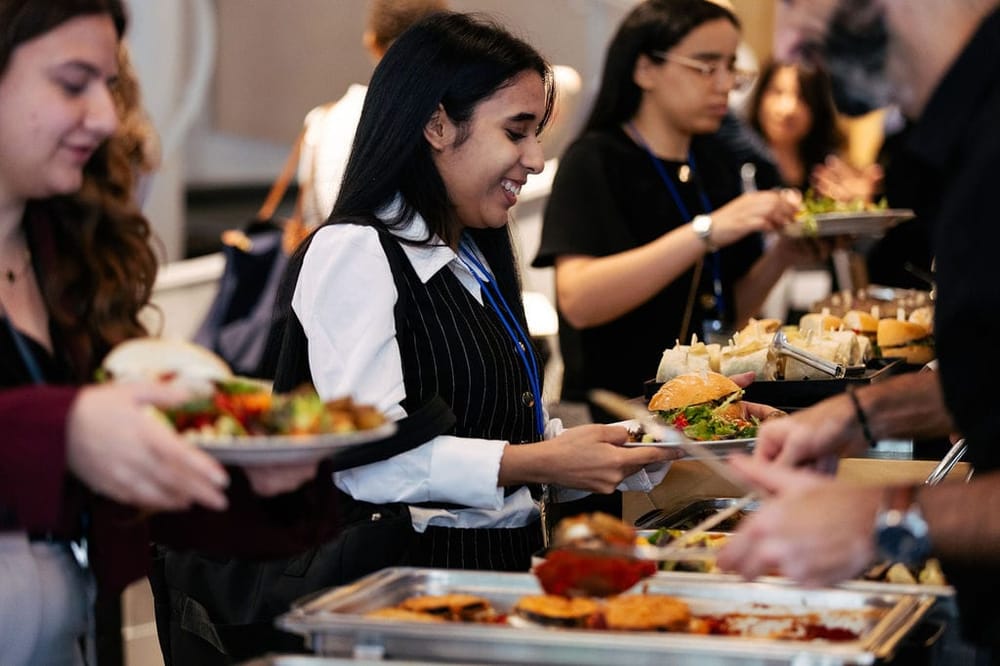
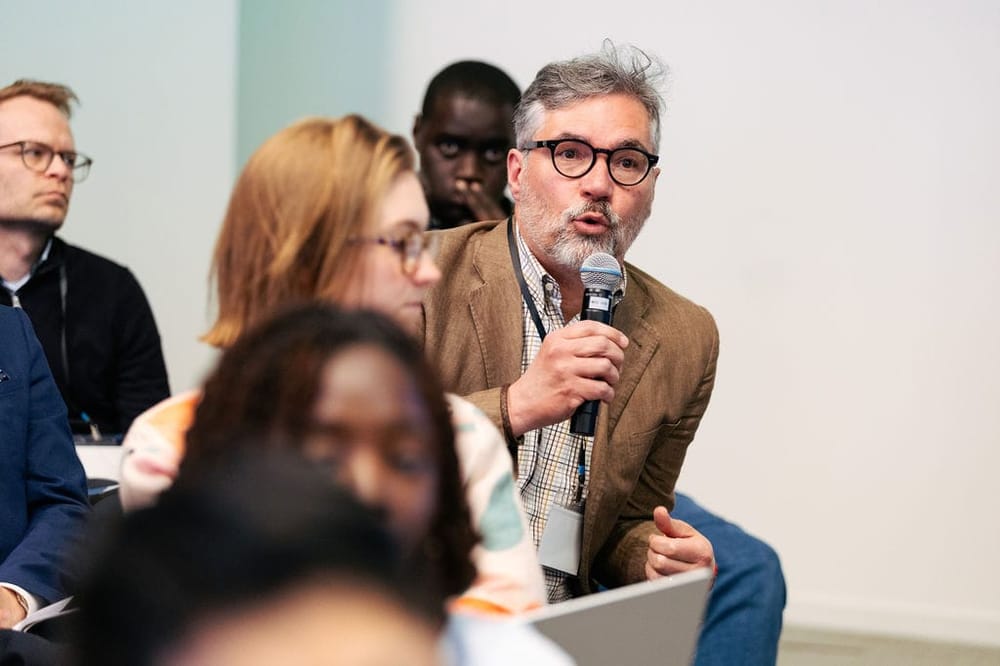
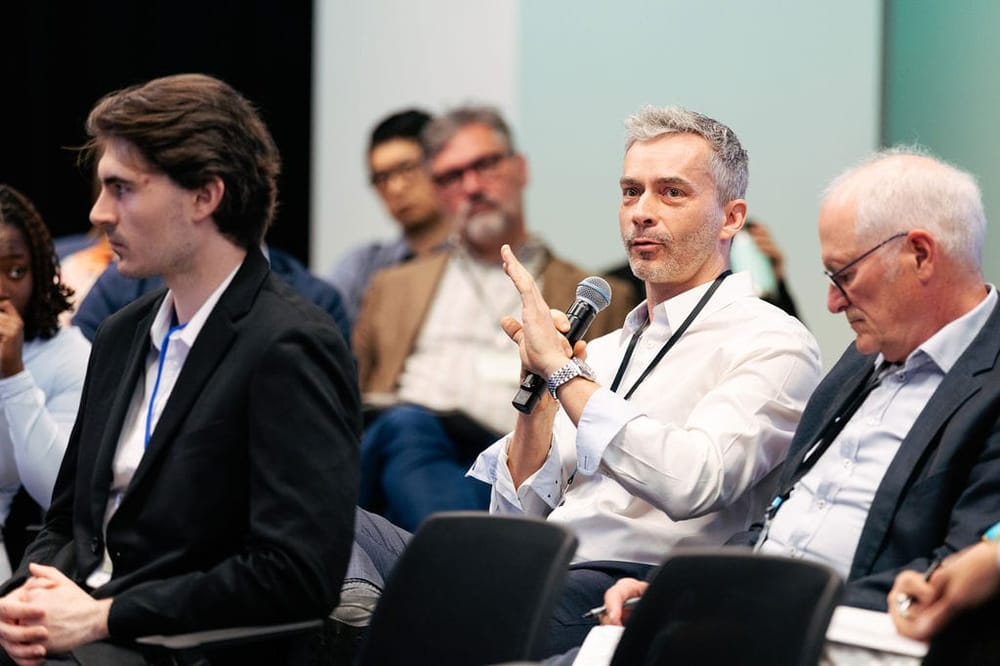
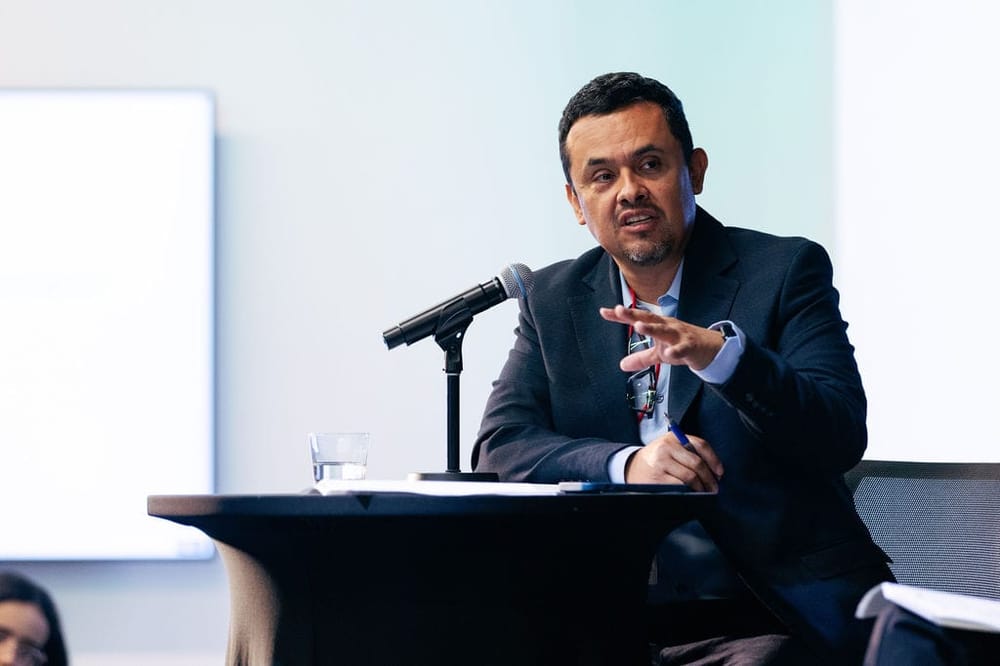
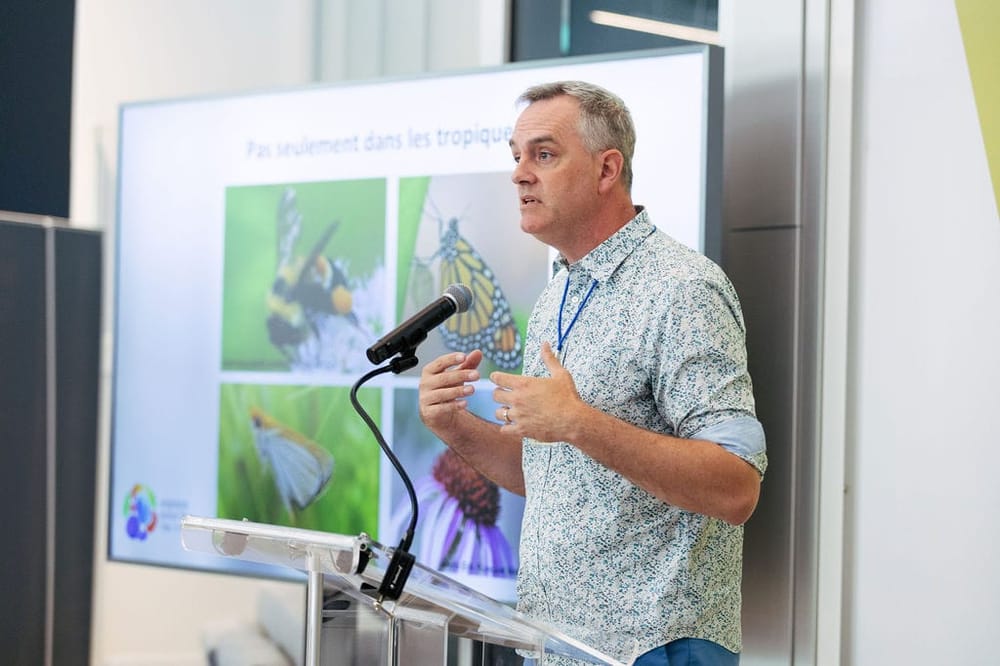
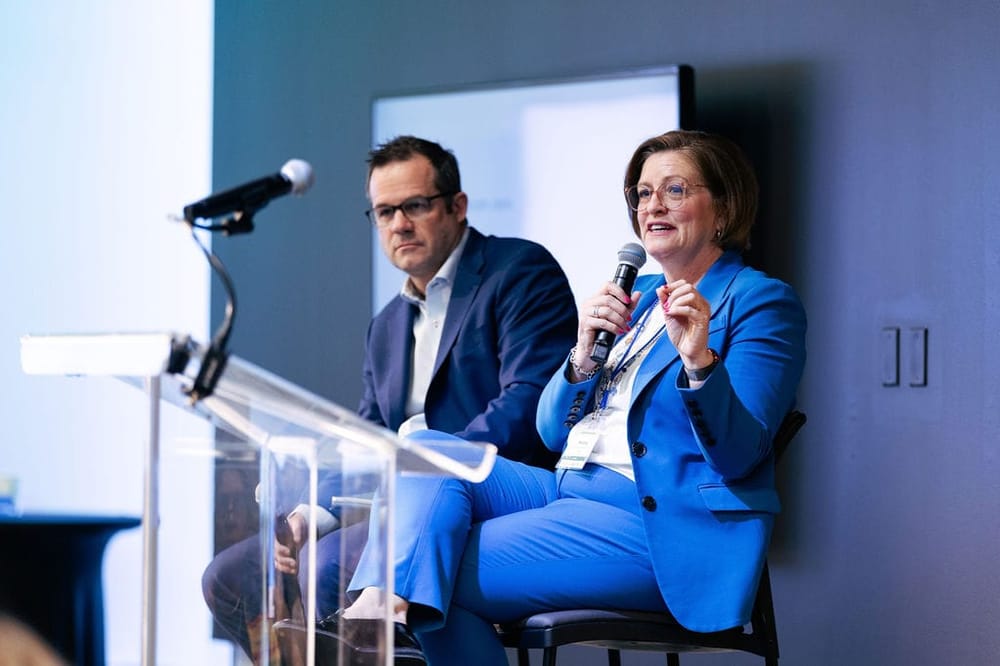
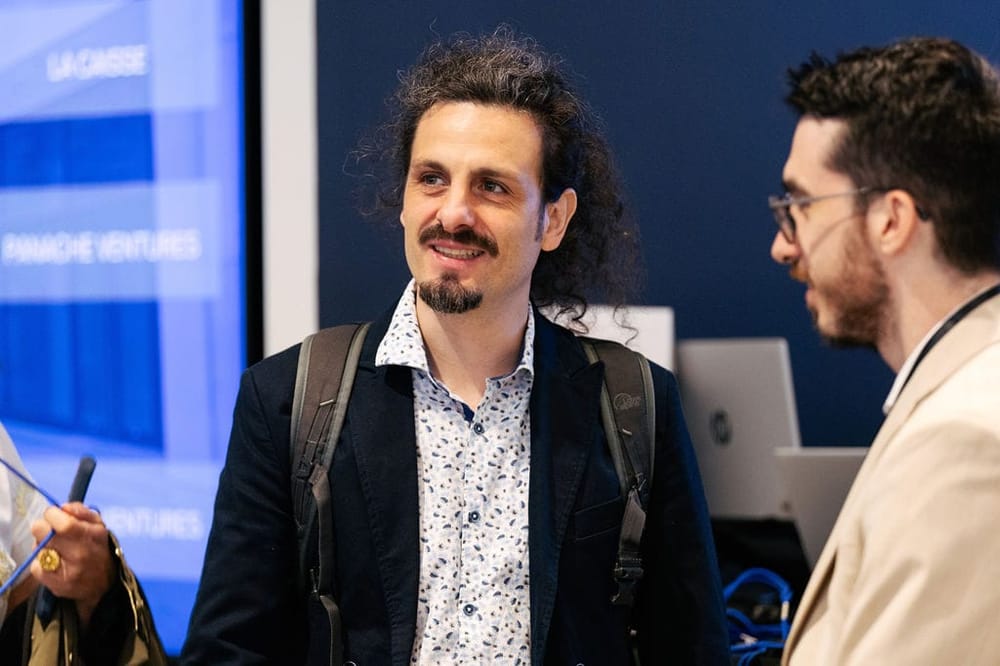
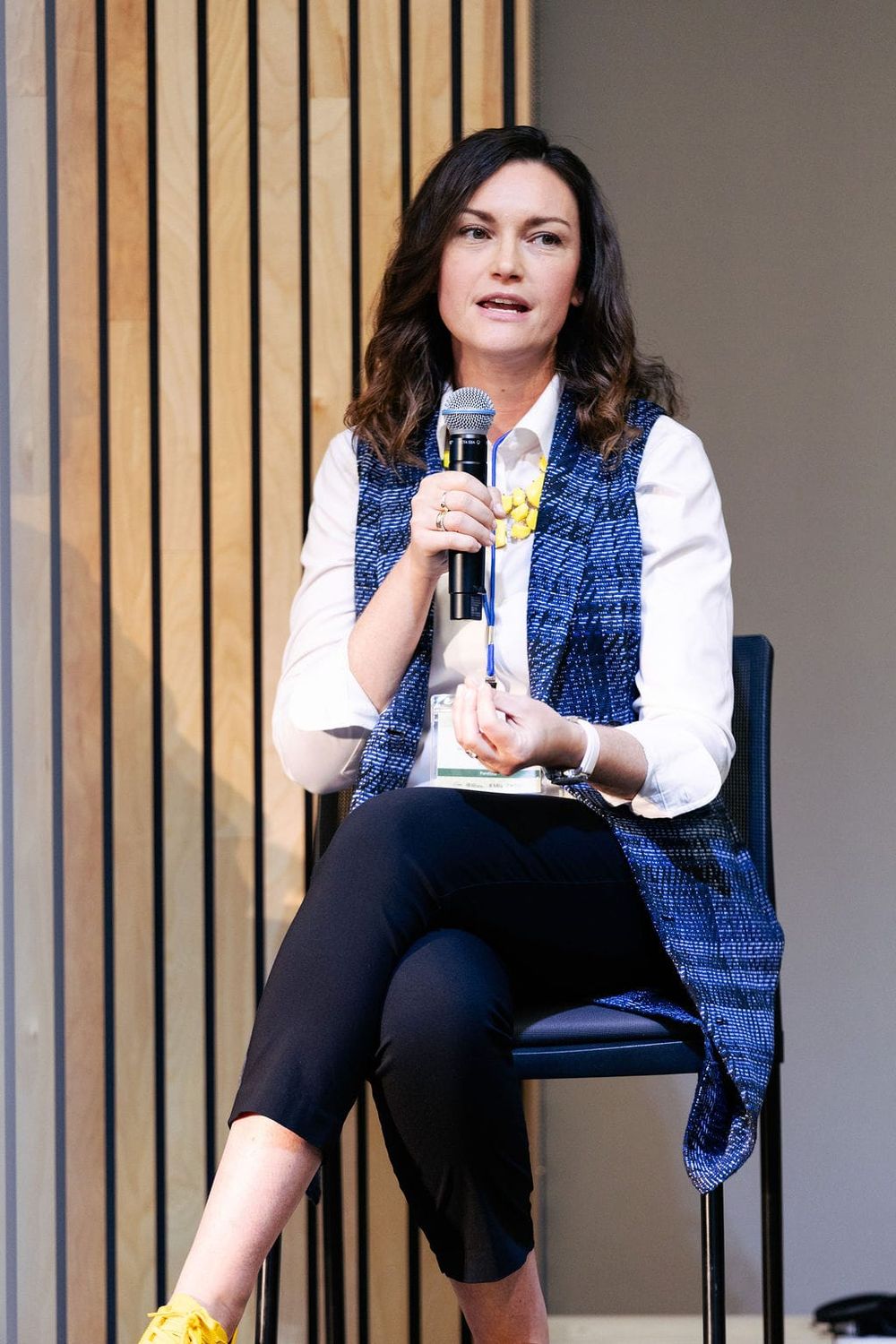
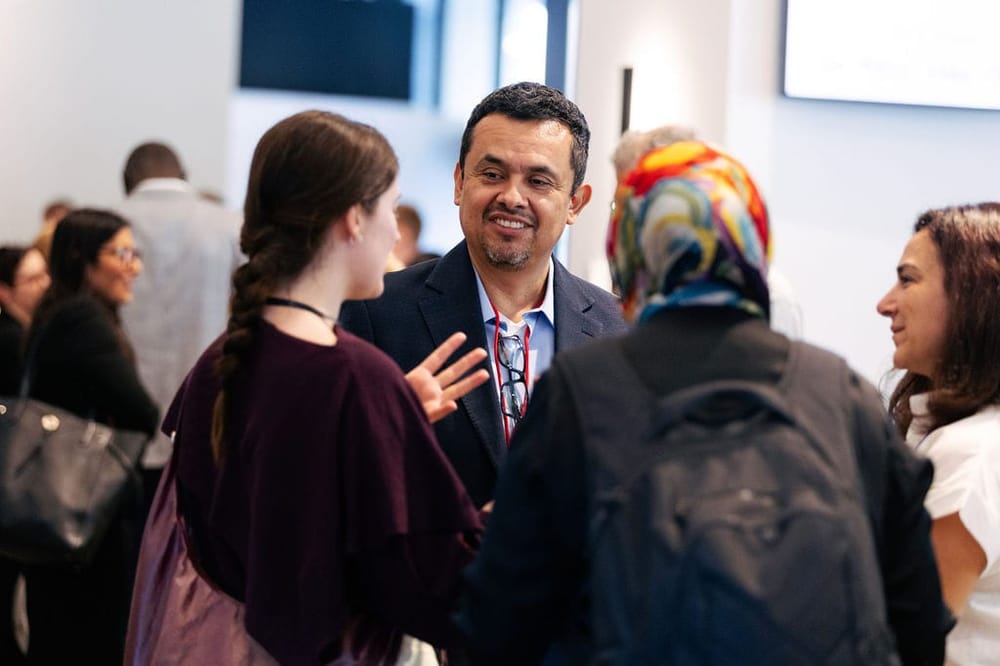
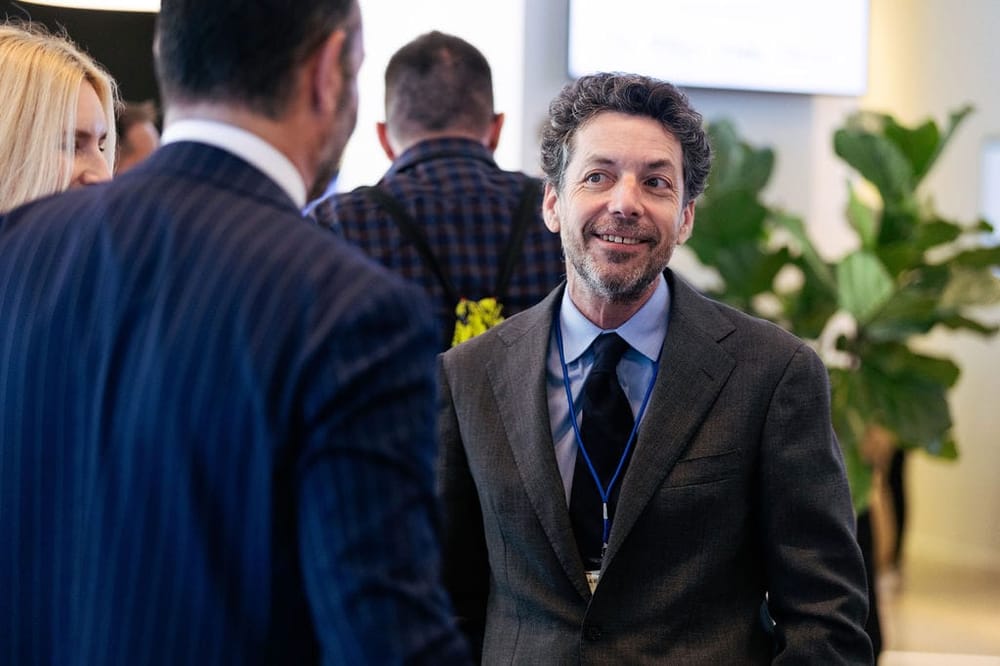
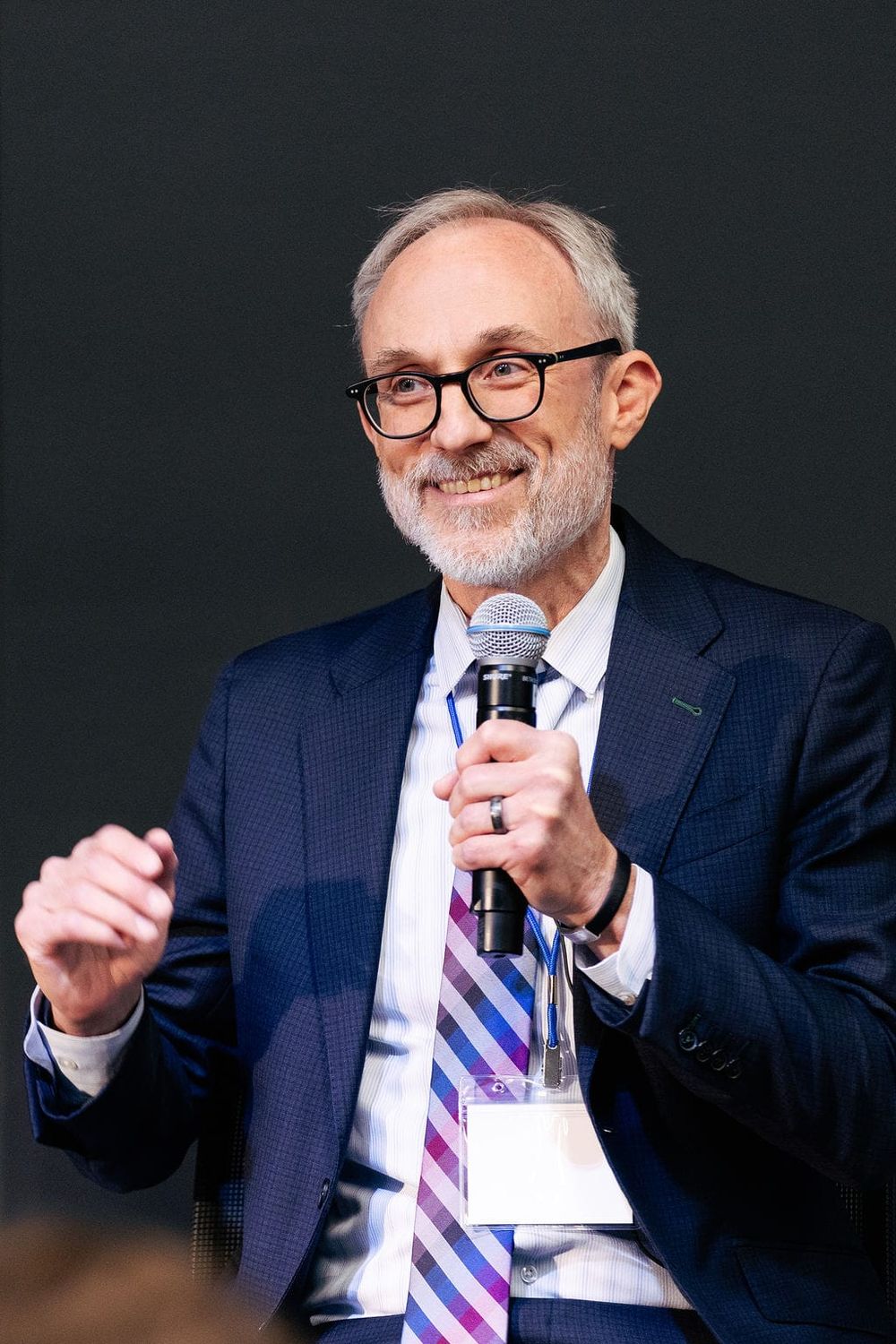
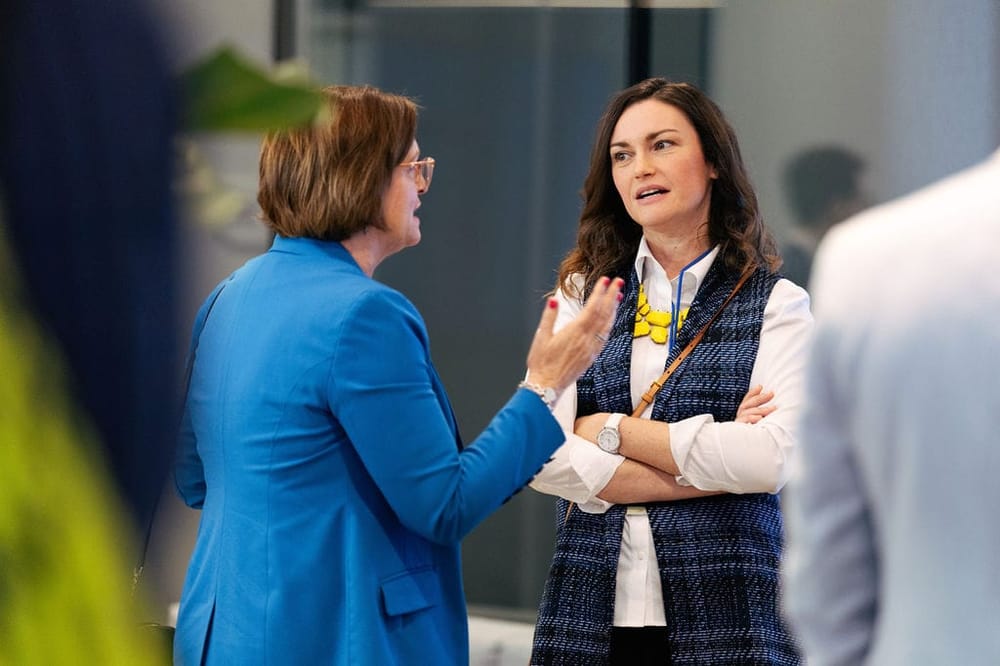
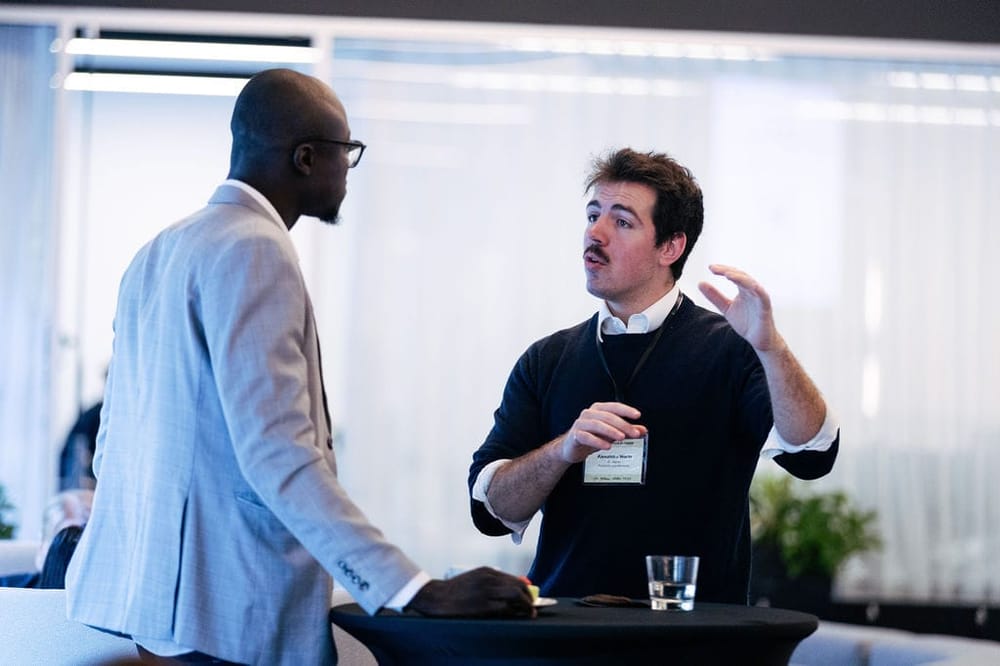
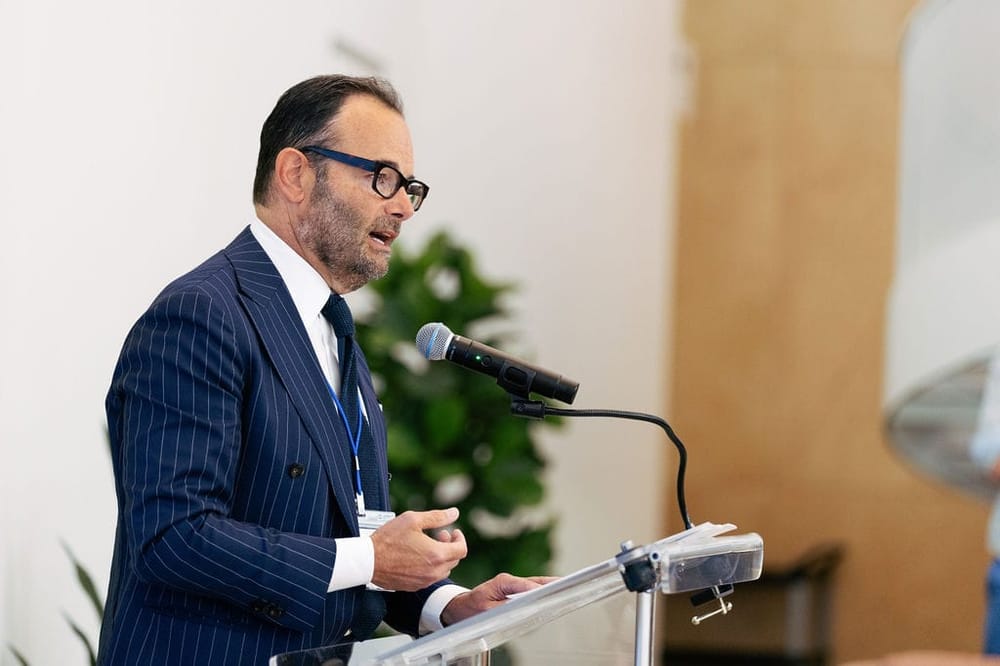
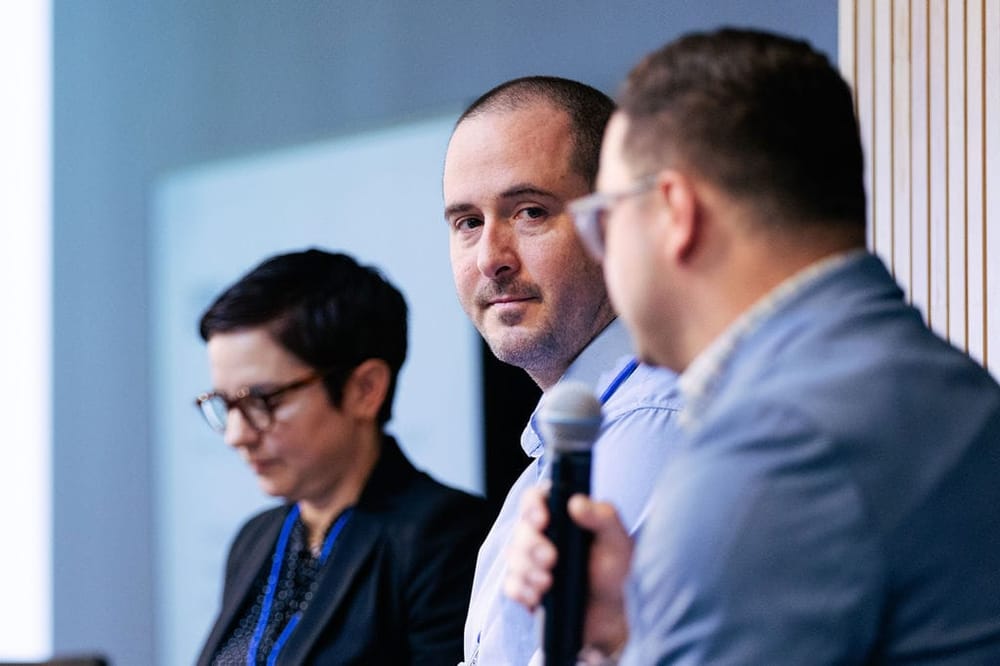
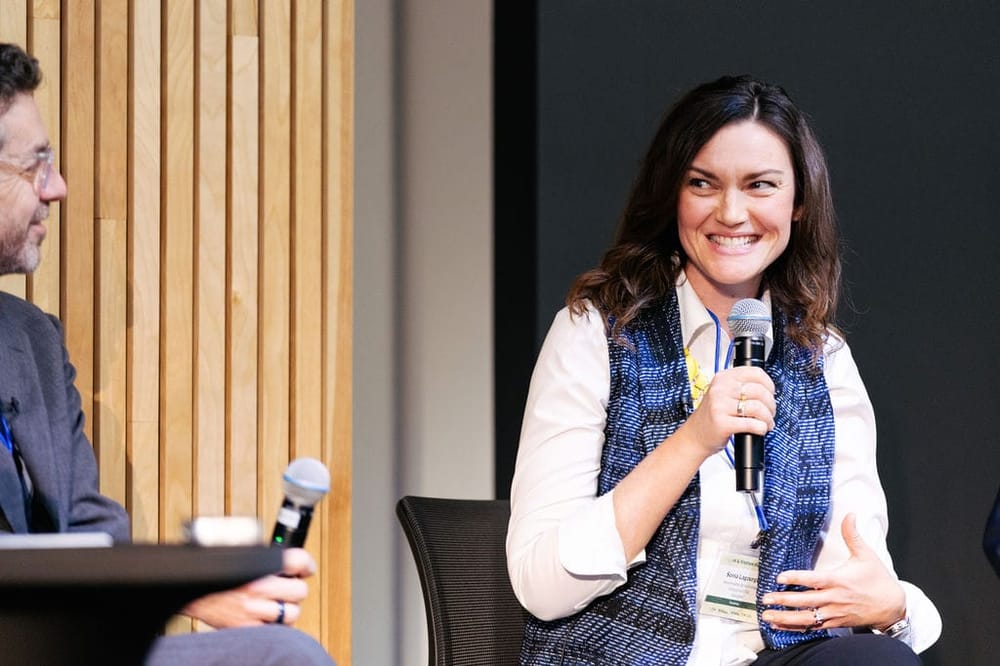
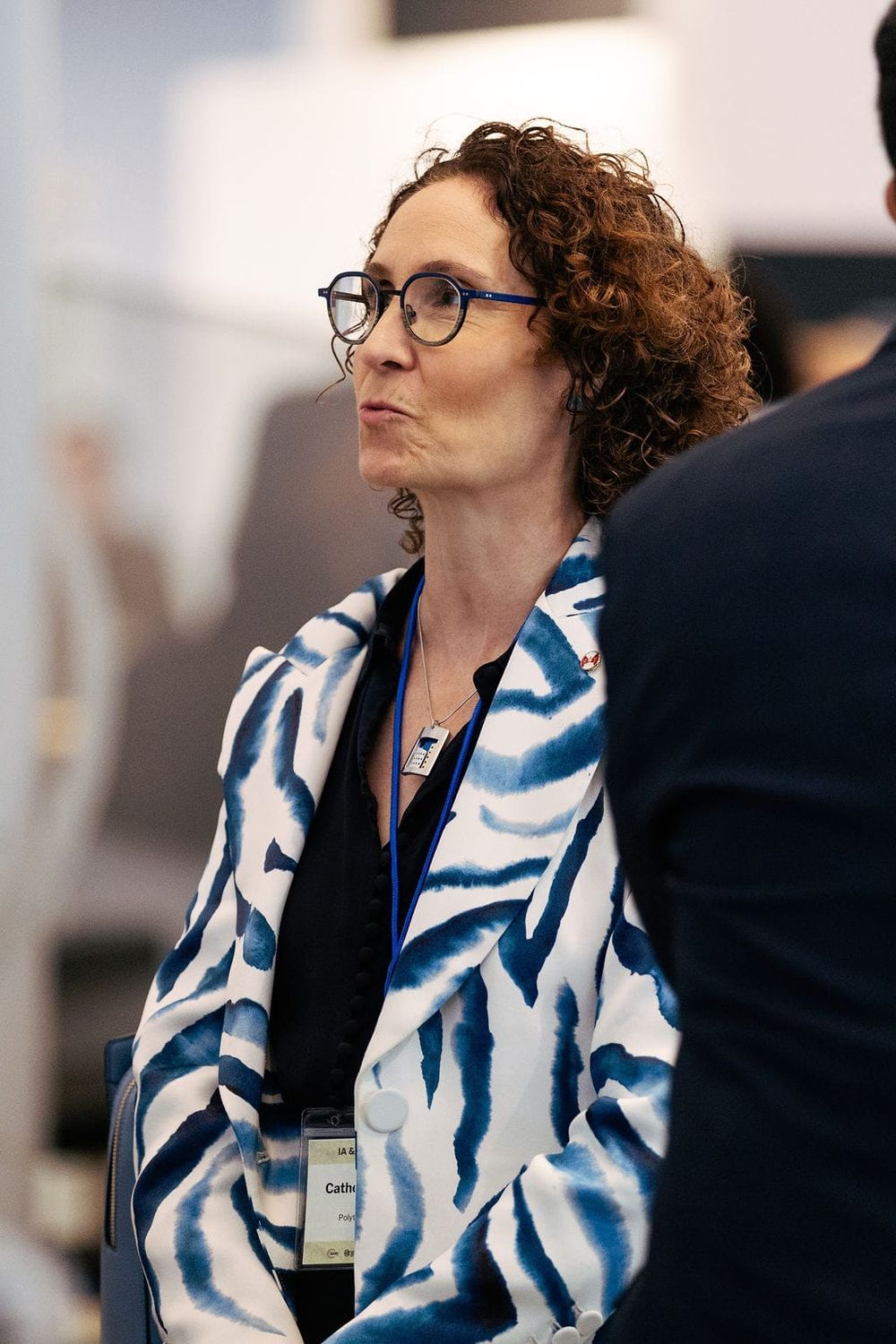
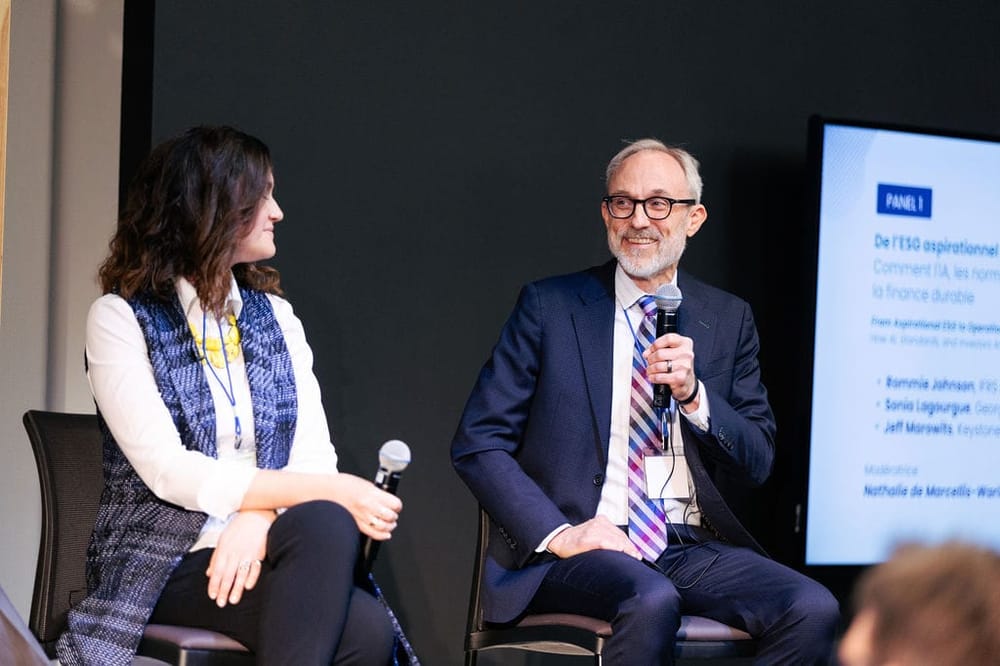
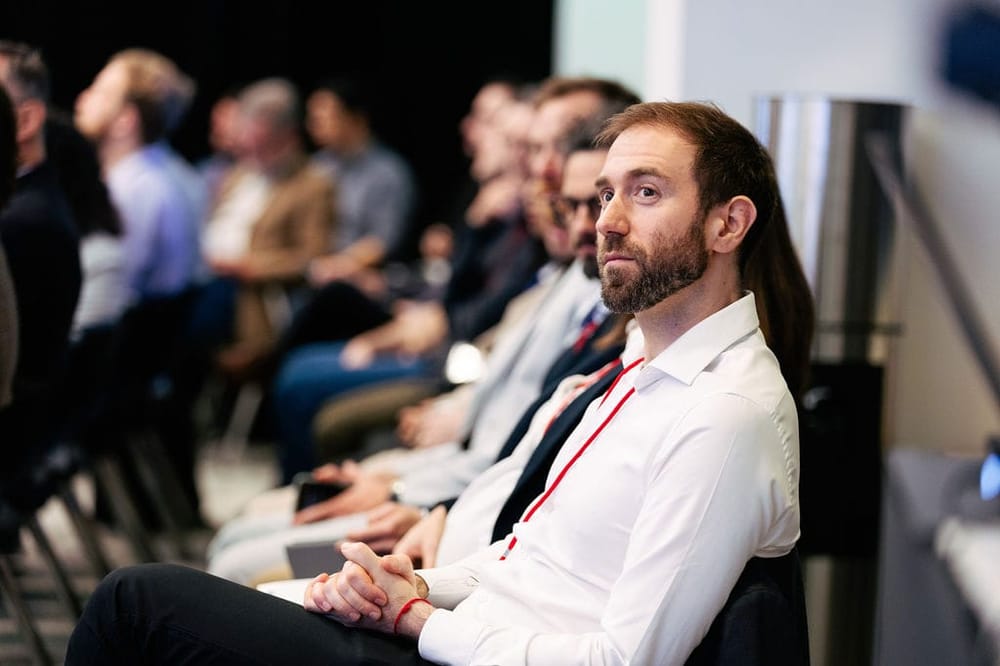
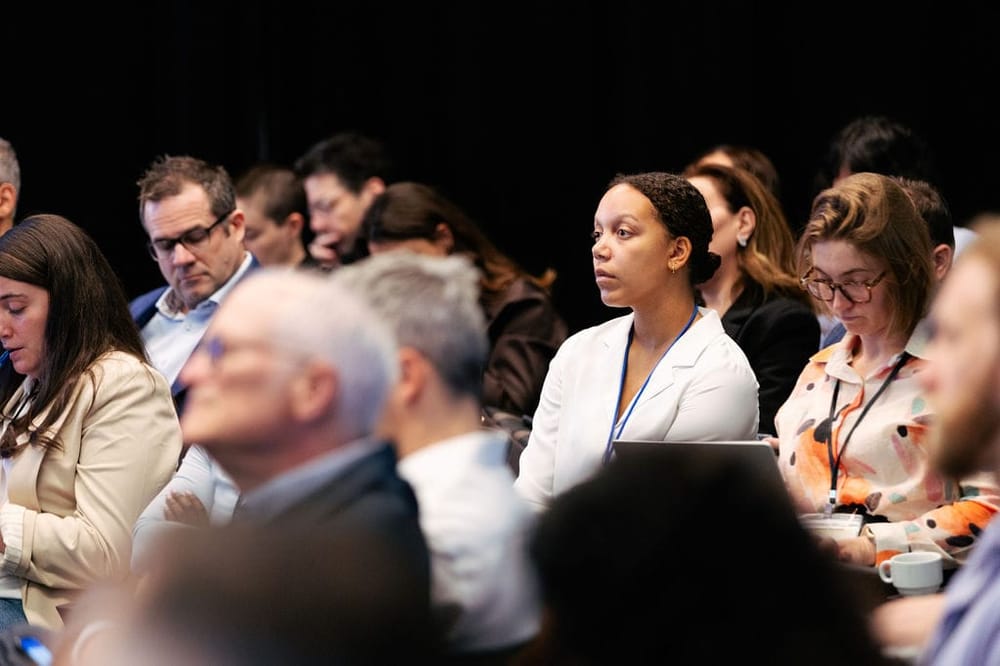
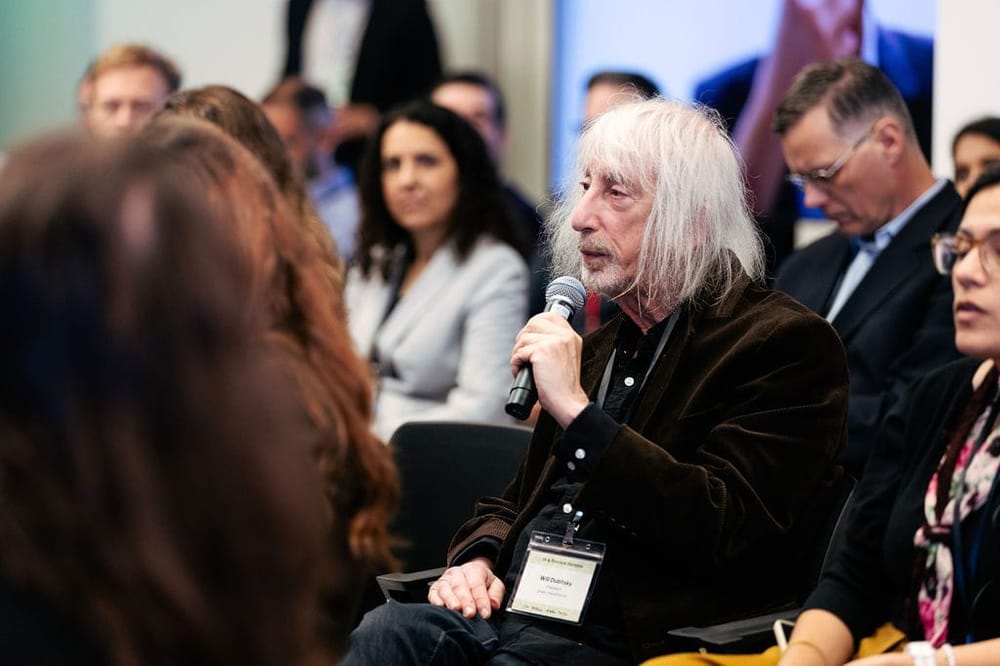
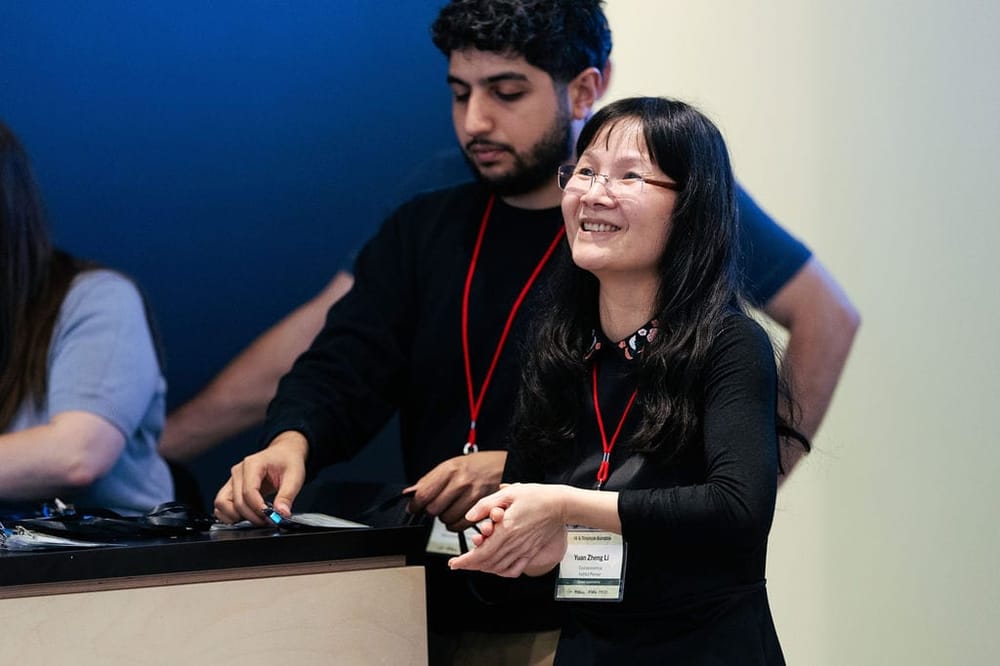
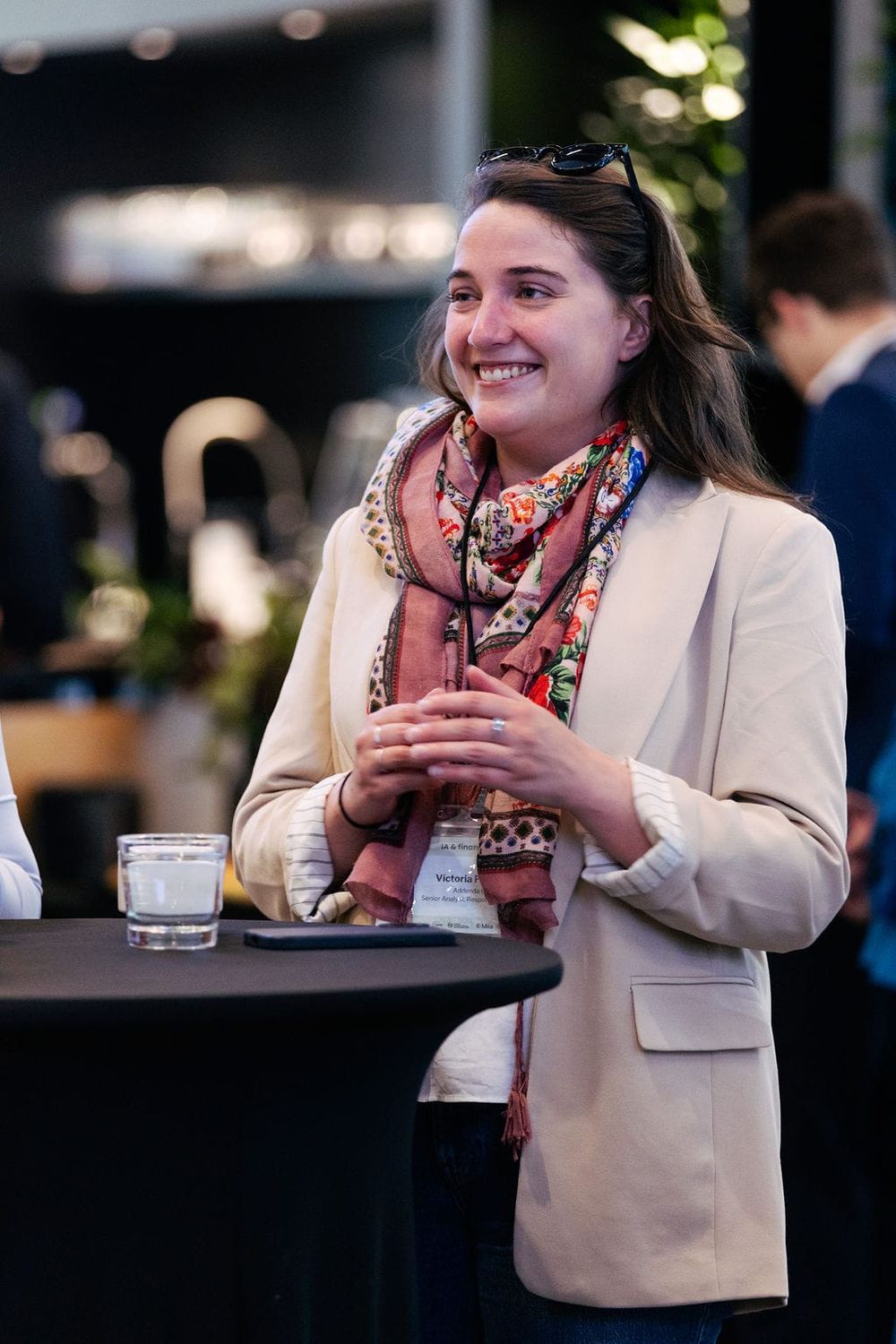
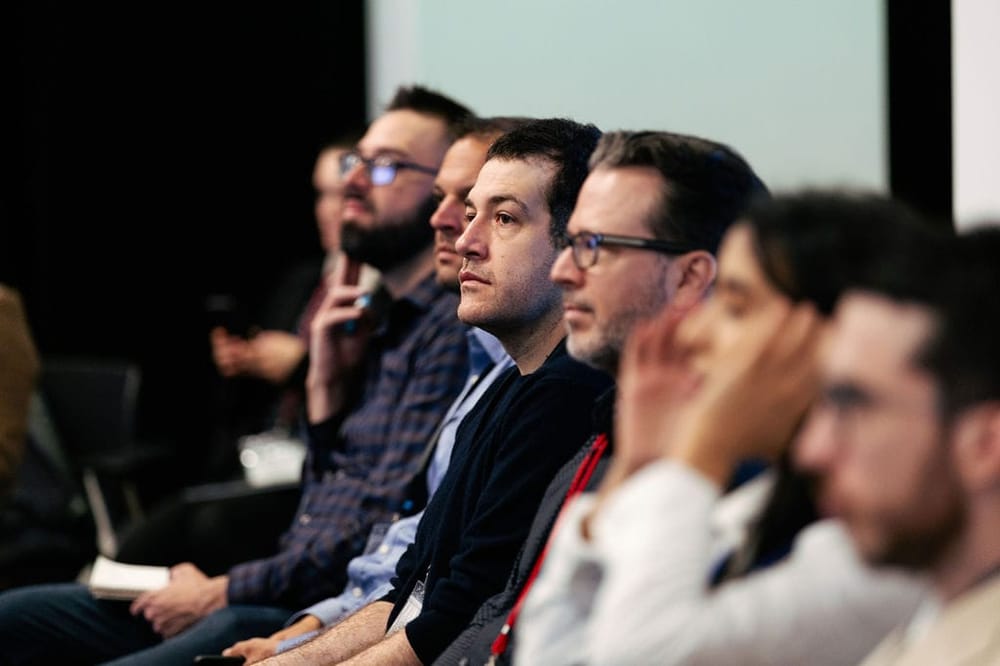
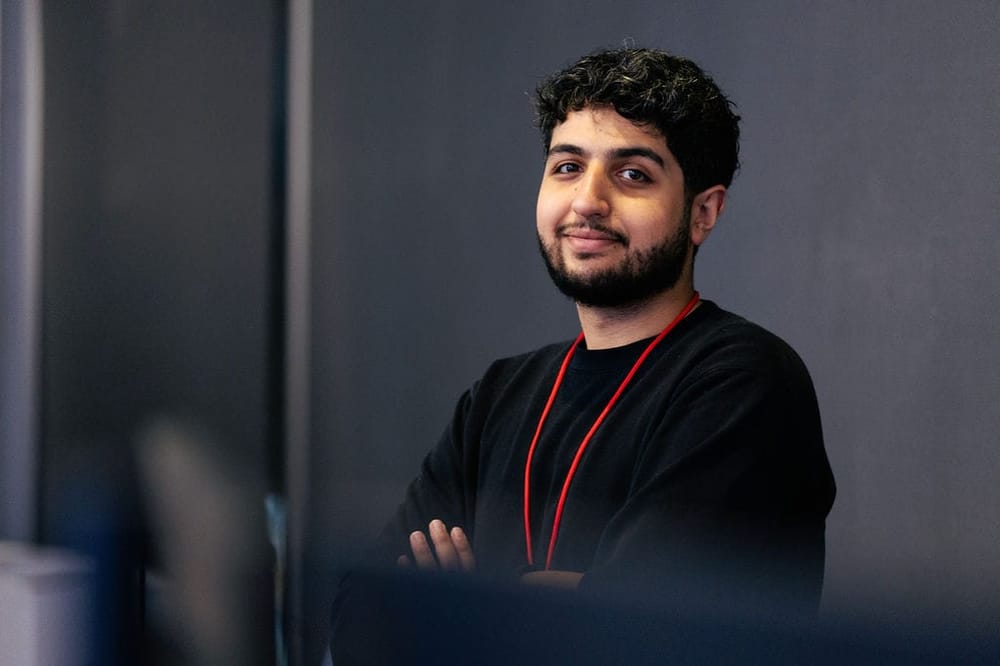
A few moments captured during this day dedicated to the intersections of AI, data and sustainable finance.
Program for the Day
Simultaneous interpretation available
French ↔ English simultaneous interpretation will be available throughout the event.
⎯⎯⎯⎯⎯⎯⎯⎯⎯
8:30 – 9:00 AM
Welcome and Registration
Coffee, tea, fruit, and pastries
⎯⎯⎯⎯⎯⎯⎯⎯⎯
9:00 – 9:10 AM
Opening of the Day
Welcome address – Manuel Morales & Marcelin Joanis
⎯⎯⎯⎯⎯⎯⎯⎯⎯
9:10 – 10:00 AM
Opening Keynotes
Overview of AI in sustainable finance: promises, limitations, and perspectives
Milla Craig, President and CEO, Millani
Christian Felx, Vice President, Head of Responsible Investment, iA Global Asset Management (iAGMA)
Ario Saeid Vaghefi, AI researcher, World Meteorological Organization (WMO), University of Zurich (Department Finance and Department of Geography), Oxford Sustainable Finance Group
⎯⎯⎯⎯⎯⎯⎯⎯⎯
10:00 – 10:15 AM
Coffee Break
⎯⎯⎯⎯⎯⎯⎯⎯⎯
Panel – Challenges and Opportunities
Discussion among researchers, financial institutions, and innovation actors
10:15 – 11:00 AM
Panel 1: From Aspirational ESG to Operational Risk Mitigation: How AI, Standards, and Investors Are Changing Sustainable Finance (in English)
Rommie Johnson, Technical Director, IFRS Foundation
Sonia Lagourgue, Purpose and ESG Leadership, Georgian
Jeff Marowits, CEO, Keystone
Moderator: Nathalie de Marcellis-Warin, CEO, CIRANO
11:15 – 12:00 PM
Panel 2: AI in ESG Portfolio Integration: Better Signals, Better Decisions, or New Risks? (in French)
Frédéric Godin, Associate Professor, Concordia University
Philippe Laforest, Senior Advisor, Responsible Investment, Desjardins
Adriana Mendez, Senior Director, Sustainable Investment, La Caisse
Moderator: Manuel Morales, GAIIA Director, Penner Institute member, Associate Professor, Université de Montréal
⎯⎯⎯⎯⎯⎯⎯⎯⎯
12:00 – 1:00 PM
Lunch and Special Address
Networking lunch and high-level keynote address
Michael D. Penner, Advisory Partner, Partners Group AG, and Chairman of the Board, Partners Group (Canada)
Maxim Larrivée, Entomologist and Director of the Montréal Insectarium
⎯⎯⎯⎯⎯⎯⎯⎯⎯
1:00 – 3:00 PM
Parallel Sessions
Session A: AI Innovation and ESG
An interactive session led by researchers and practitioners, designed to deconstruct the black-box effect and offer a shared, nuanced, and critical understanding of AI tools. On the agenda:
Discussion: How to launch an AI innovation project in sustainable finance?
Maryam Molamohammadi, Senior scientist, responsible AI research, Applied Projects, Mila
Elham Kheradmand, CEO, Lucid Axon
Moderator : Catherine Beaudry, Full Professor, Polytechnique Montréal, Chairholder, Canada Research Chair in Management and Economics of Innovation
Discussion: Deconstructing a typical AI pipeline (data, models, deployment, governance). Identifying hidden risks: biases, hallucinations, and drift—and best practices for responsible use in sustainable finance.
Foulémata Tirera, Senior Analyst, AI Solutions, Data, Analytics and Technology Transformation, La Caisse
Simona Gandrabur, Studio Manager, AI Security, AI Solutions and Technology, Mila
Moderator: Rheia Khalaf, Mila
Session B: AI and ESG Regulatory Frameworks
AI is transforming compliance analysis in sustainable finance by enabling the detection of greenwashing, the verification of disclosures, and the analysis of message consistency. Discover how to leverage these tools to enhance the rigor and integrity of ESG disclosures, in light of recent research advances and initiatives by public authorities.
Julien O. Beaulieu, Lawyer and Economist, Lecturer at the Université de Sherbrooke, and PhD Candidate at Imperial College London, United Kingdom
Yassine Ben Messaoud, Analyst, Sustainable Finance and International Affairs Department, Autorité des marchés financiers (AMF), and PhD Candidate, Université Laval
⎯⎯⎯⎯⎯⎯⎯⎯⎯
3:15 AM – 4:00 PM
Demos & Experience Reports
Three concrete presentations of AI solutions in sustainable finance (15 min each)
Ario Saeid Vaghefi, AI researcher, World Meteorological Organization (WMO), University of Zurich (Department Finance and Department of Geography), Oxford Sustainable Finance Group
Davide Pulizzotto, GAIIA
Loubna Benabbou, Professor, Université du Québec à Rimouski, Chair in Artificial Intelligence for Digital, Resilient, Agile and Sustainable Supply Chains, Mila Member
⎯⎯⎯⎯⎯⎯⎯⎯⎯
4:00 – 5:00 PM
Closing & Networking Cocktail
Day summary / Drinks and appetizers
An initiative of GAIIA and the Michael D. Penner Institute,
in collaboration with Mila and Finance Montréal




Organizations Represented in the Program